Decades of data tell a complex story at Indian Island
Published 1:30 am Thursday, April 2, 2026



By Darrell Kirk
Staff reporter
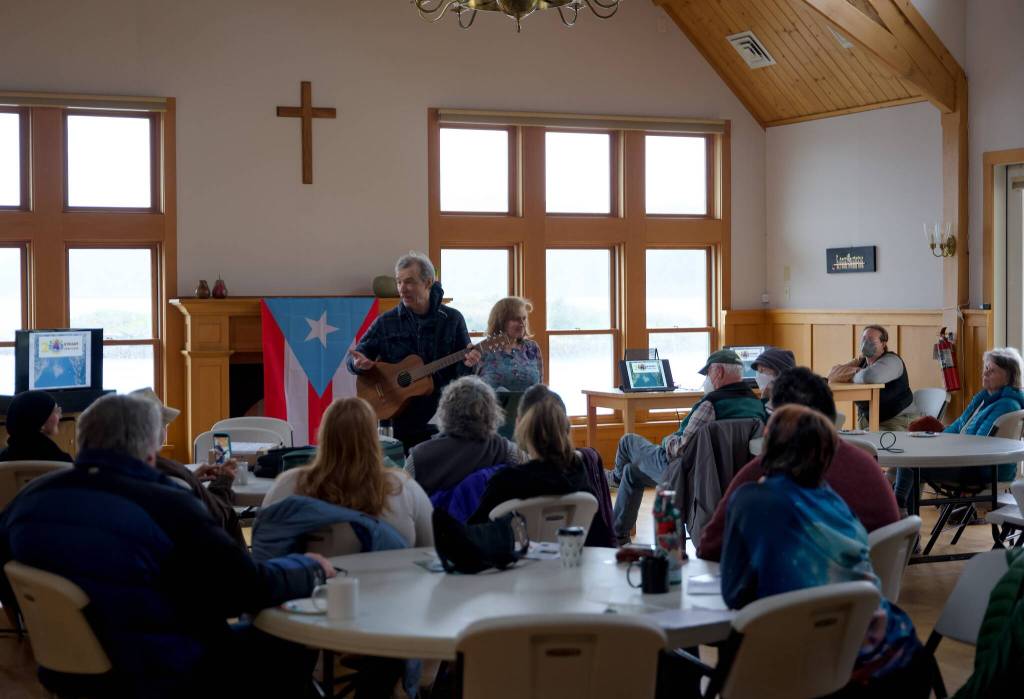
On Sunday, March 15, the nonprofit research organization Kwiáht welcomed the community to the Emmanuel Episcopal Parish Hall in East Sound for its free annual Tides of March celebration — an afternoon of science, refreshments and original music marking 18 years of ecological monitoring at Indian Island and Fishing Bay, and the organization’s 20th anniversary as a nonprofit in San Juan County.
When a technical glitch knocked out the projector, lead researcher Russell Barsh adapted without missing a beat, moving the audience close to laptop monitors for what he called “a more intimate and cozier seminar than we had originally planned.” The spirit of the evening — resourceful, community-driven and grounded in long-term commitment — mirrored the work itself.
“We have reached a point with enough data that we can actually say something,” Barsh told attendees. That something, drawn from nearly two decades of volunteer-powered fieldwork, is both hopeful and sobering.
A garden reborn
The evening’s brightest success came from the top of the island itself. After Kwiáht introduced a designated driftwood trail and instituted seasonal closures during bird nesting season, the island’s wildflower meadow — once trampled to bare ground — has made a dramatic comeback. Native camas, sea blush, orchids and Indian celery now bloom where there was previously nothing.
The harder truths
Below the tideline, the data present a more difficult picture. Hard-shelled clam populations — steamers, butter clams and horse clams historically harvested by Coast Salish people — have fallen significantly since monitoring began in 2011, with the average age of surviving clams dropping as well. Eelgrass density, stable for years, plummeted by 50% in 2024 and 2025 as winter storms buried meadows under sand drifts.
Barsh attributed these changes to warming seas, stormier winters pushing sediment into Fishing Bay and stormwater runoff carrying chemicals from East Sound’s streets and gardens. “Climate effects interacting with immediate local human impacts [have] been the subject of our research on the island since we started,” he said.
Pesticides in the food web
A newly completed Kwiáht study funded by the Orcas Community Foundation found over-the-counter pesticides showing up in local wildlife. Testing specimens across 21 species, researchers found measurable residues in Pacific tree frogs, bats and — most surprisingly — hummingbirds. “If you spray in your garden and the pesticide sticks to plants and ends up in the nectaries of the flowers, hummingbirds are sipping nectar out of flowers that may have been sprayed,” Barsh explained. Hummingbirds ranked second in pesticide concentration among all species tested.
Why it matters
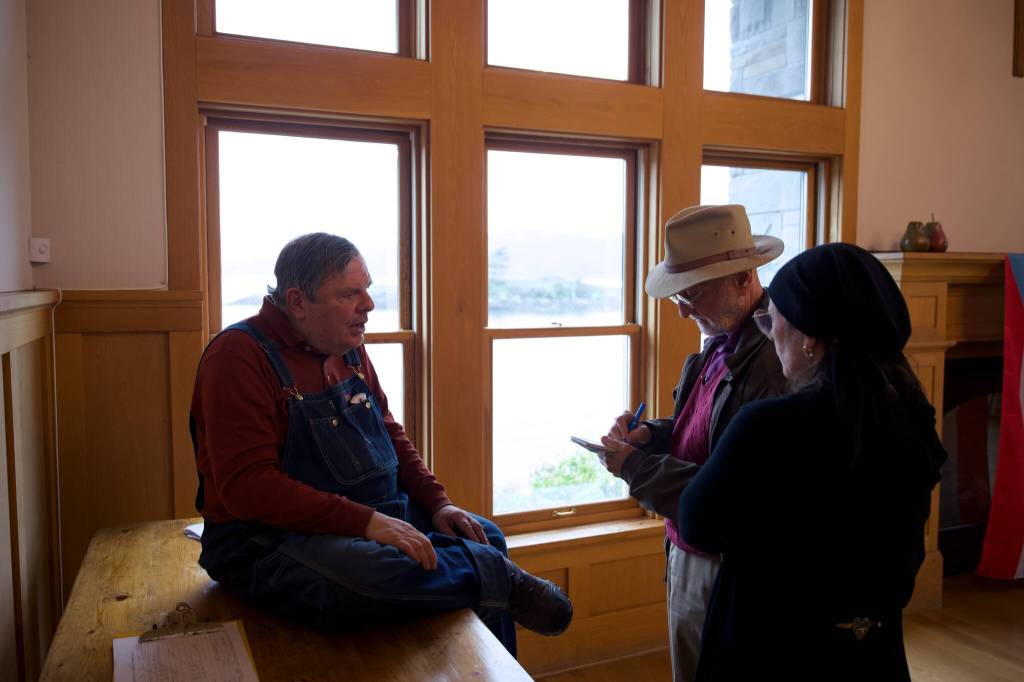
Before the event began, Alec Hernandez, a program coordinator at Camp Orkila, was already transfixed by the view from the window looking out toward Indian Island. “All the birds out there — it’s crazy how there’s so many different species out there that we were noticing,” he said. Longtime island resident Patty Corbett echoed the sentiment: “It’s just fascinating, all the different things I see out there every time I go. I’ve seen a baby octopus out there.”
The evening closed with original songs performed by Sharon Abreu and Michael Hurwicz — including a circular ballad about pesticides moving through land, water and wildlife. The refrain lingered: Everything is part of everything anyway.