Twenty years later: How an island community saved Turtleback Mountain
Published 1:30 am Thursday, August 6, 2026
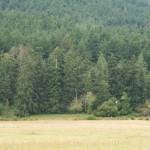

For years, Turtleback Mountain sat at the center of a quiet island anxiety. Everyone knew the sprawling, privately owned peak would eventually come up for sale. No one knew what would happen when it did.
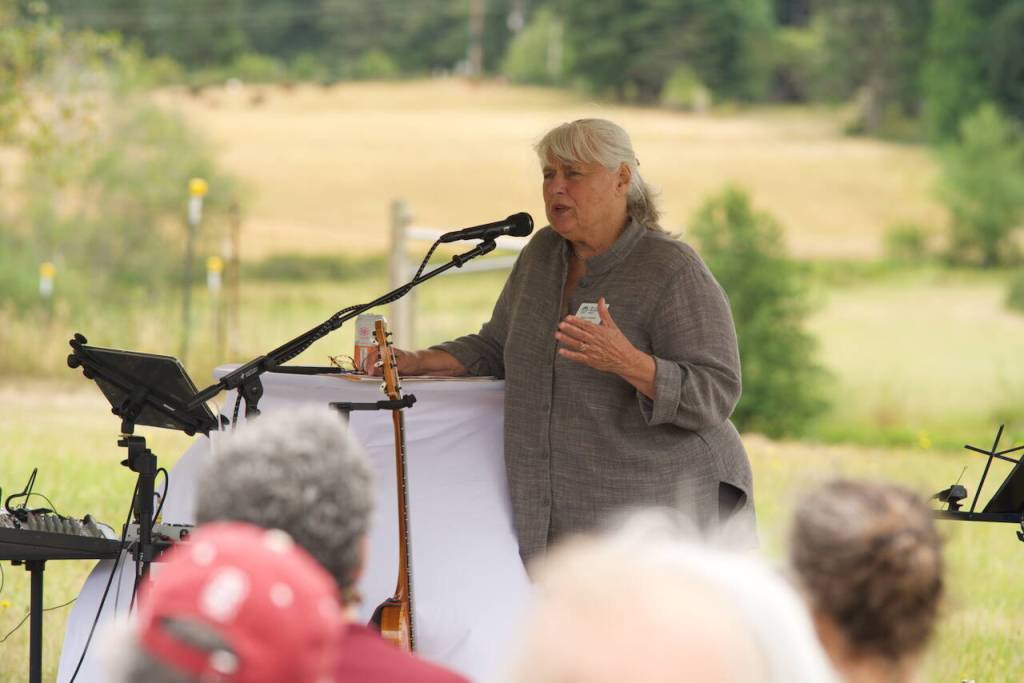
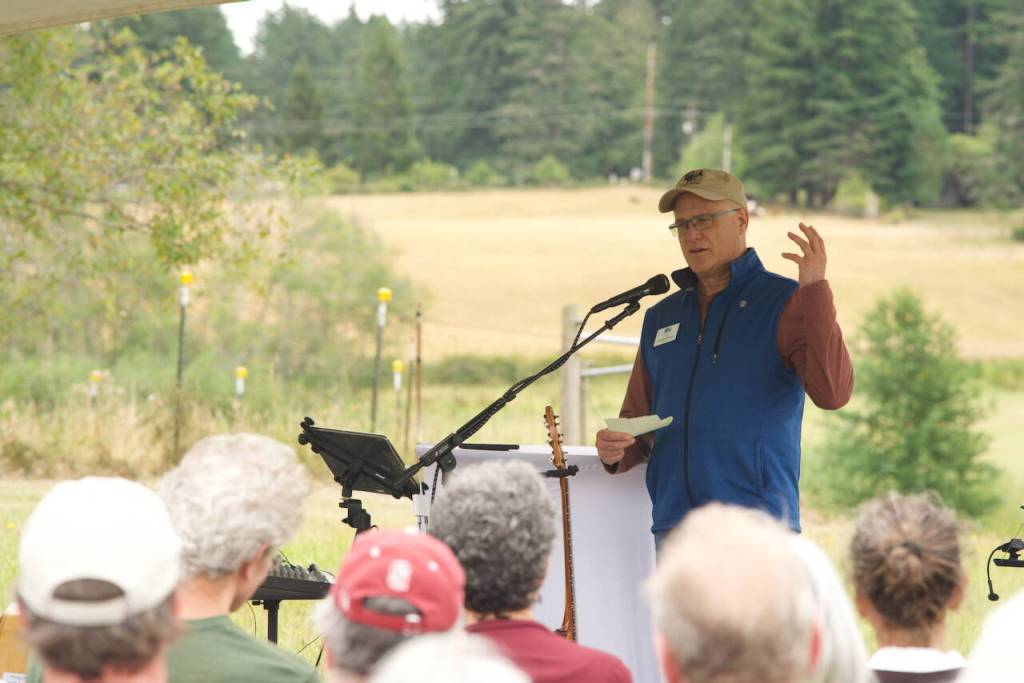
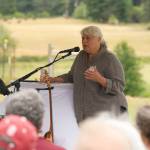
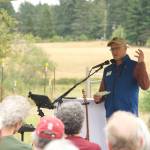
“When I first moved here in 1993, Turtleback was like the elephant in the room,” said Nancy Green, San Juan Preservation Trust board president, speaking Saturday at a celebration marking the 20th anniversary of the mountain’s protection. “Everybody knew that at some point it was going to come up for sale. Somebody was going to buy it. What was it going to be? We all wanted to conserve it.”
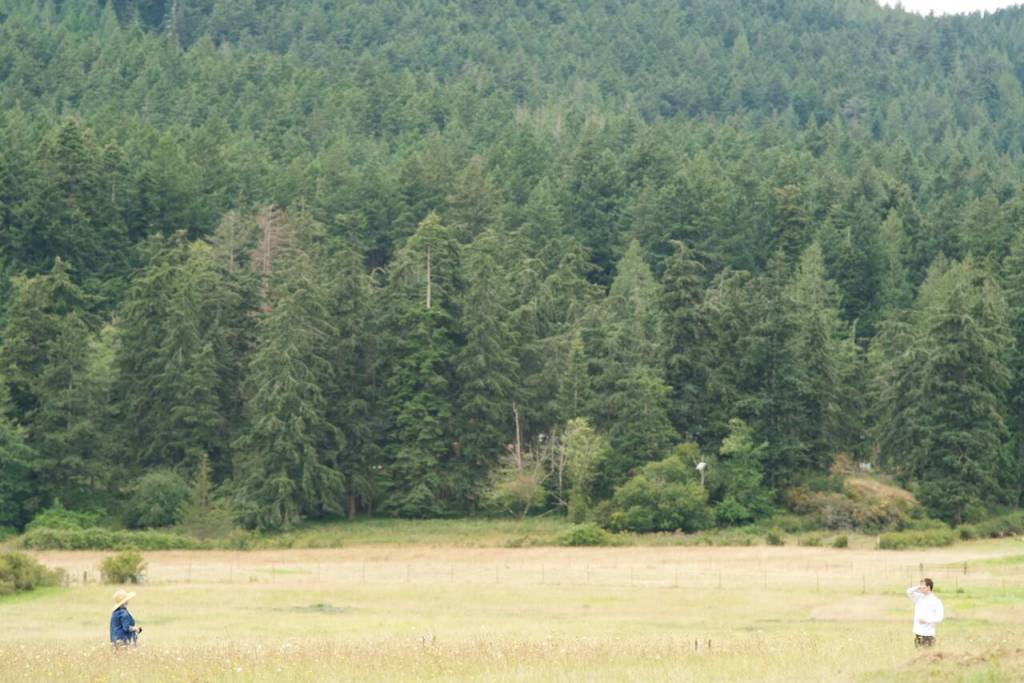
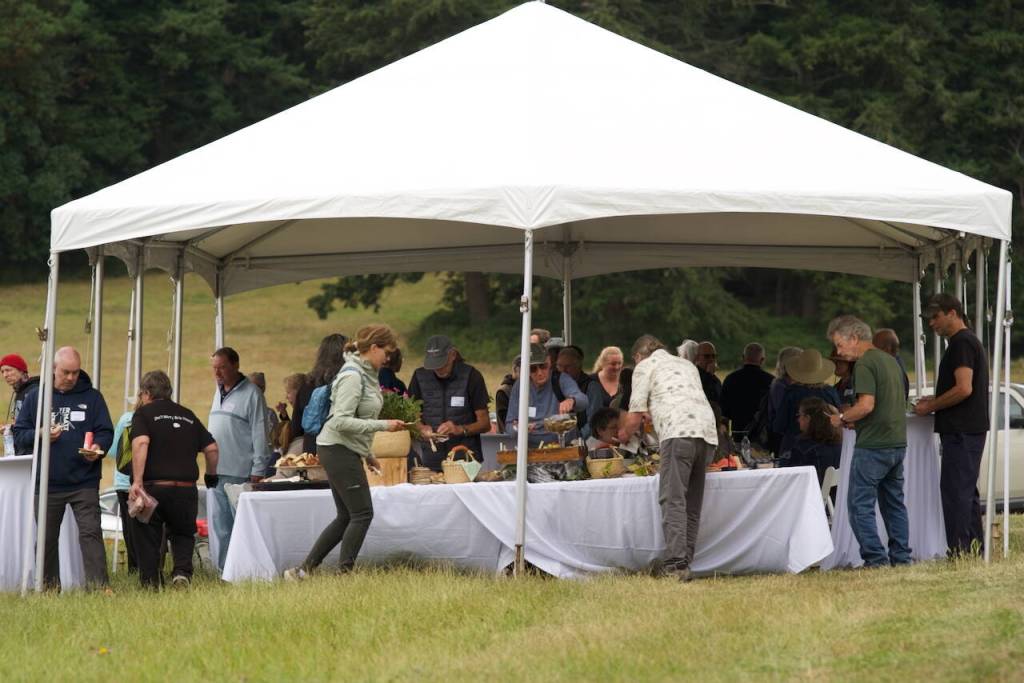
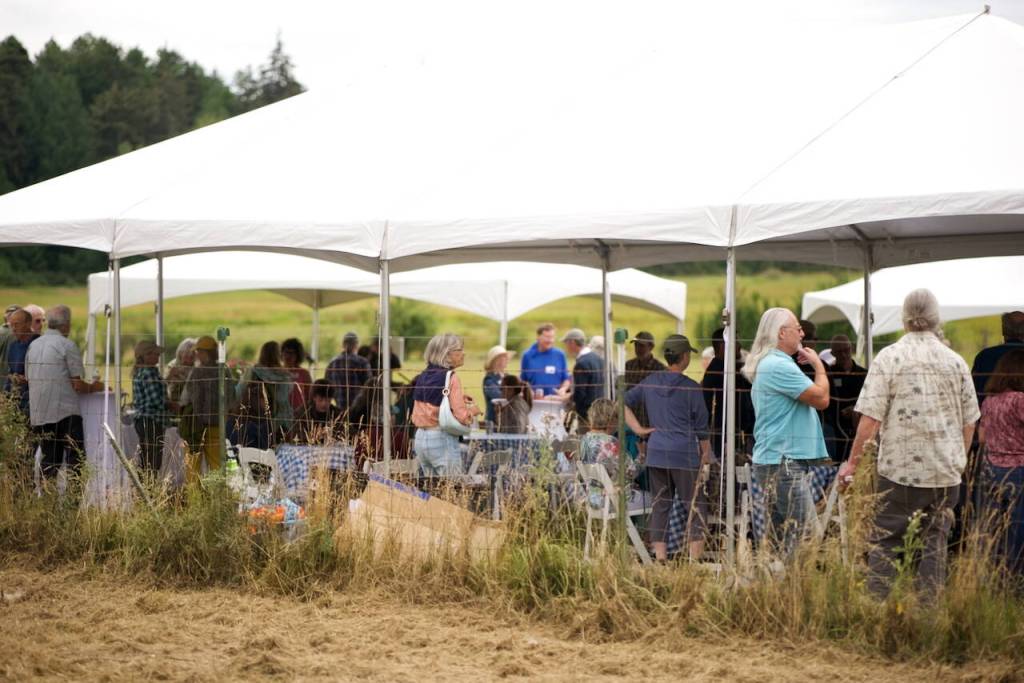
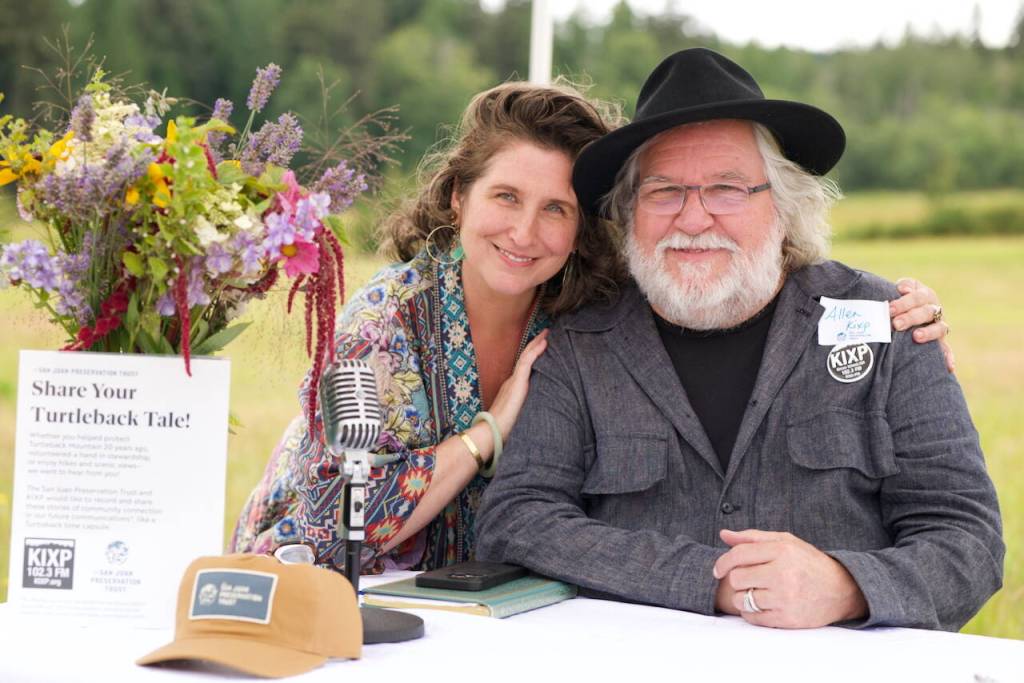
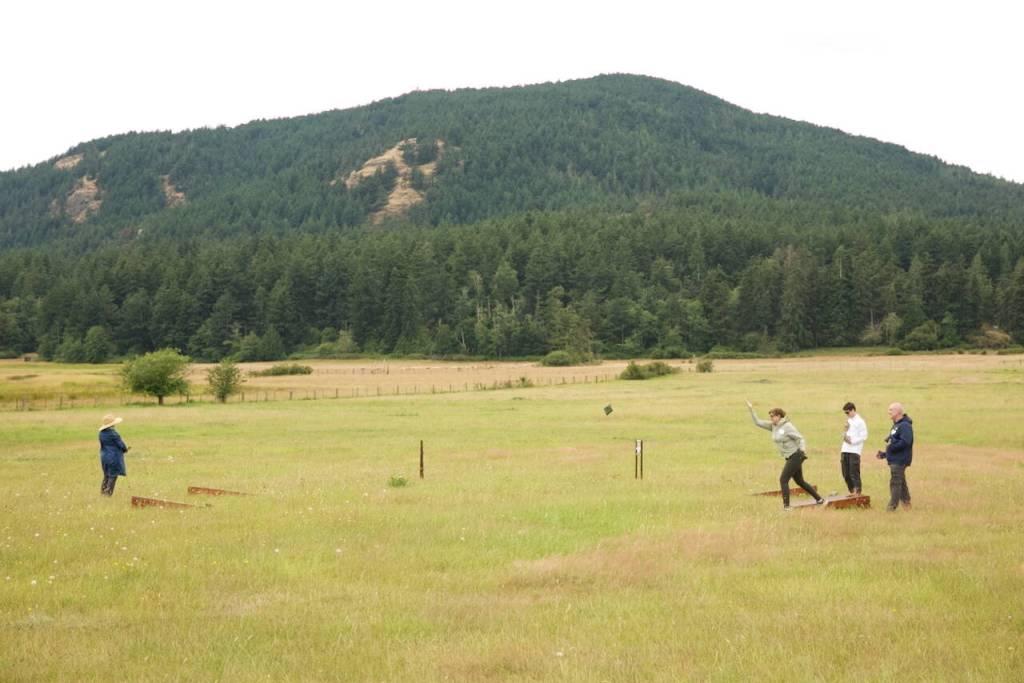
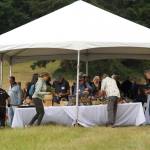
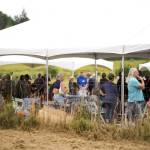
Under fair skies Saturday, July 25, more than 240 people registered for the event per organizers, gathering at Coffelt Farm Preserve for “20 Years of Turtleback Mountain,” an event marking two decades since the community pulled off what organizers still call the largest conservation campaign in San Juan County history: an $18.5 million effort that permanently protected Turtleback Mountain in 2006, combining $10 million in public funds from the San Juan County Conservation Land Bank with $8.5 million raised privately by the San Juan Preservation Trust.
“That elephant started speaking and started moving around, and we had to act quickly,” Green said. “We had over 2,000 people that helped contribute to that campaign, and it happened like that, that initial perk. It was just full tilt.”
A threat turns real
The uneasy waiting ended for Lincoln Bormann almost the moment he started his job as Land Bank director in April 2005. During his interview, he’d been asked what he would do if Turtleback came up for sale and the County had no money to buy it. “I think I answered the question pretty well, because they hired me,” Bormann told the crowd. “But what I did not expect was that two weeks after I started, it came on the market. I thought that was particularly unfair.”
The property, originally assembled by timber executive Norton Clapp and passed to the Medina Foundation after his death, was not an easy seller. Conservation wasn’t part of the foundation’s mission, and it planned to sell at market value. “They told us they actually forbid us from appraising it,” Bormann said. “So I snuck up there with our appraisers. … We knew what we were working with.”
Negotiations were rocky from the start. “They took our bid as a starting point. We went to negotiate with them. The result of that second session was, well, your number is a non-starter,” Bormann recalled. The deal collapsed, then came back together in the spring of 2006 — at which point, Bormann said, “everything became very real.”
Neither organization had ever attempted anything on this scale. “The trust, again, had never raised that much money. The land bank had never had a project this costly,” Bormann said. Fundraising fell to Sven Haarhoff, the trust’s director of charitable gifts, and Tim Seifert, who Bormann said didn’t know at the outset whether the six-month push to raise $8.5 million would succeed. “I think he was one of the real keys to this whole acquisition, quite honestly,” Bormann said of Haarhoff. “It happened. People came together. That field, 2,000 people in September. It was astonishing.”
That fundraising drive was led by Tim Seifert, the Preservation Trust’s executive director at the time. According to “Tribute to Tim Seifert,” a 2018 video posted on the San Juan Preservation Trust website, Seifert learned Turtleback was for sale through a personal connection at the Medina Foundation, which owned the 1,600-acre property — news the tribute recalls as “a bomb blast, basically, because Turtleback had always been thought of as the last great place in [the] San Juan[s].” A former board member and a former board president in the video describe Seifert pushing for the acquisition despite widespread doubt that the trust could pull it off, recalling his attitude as, “it doesn’t matter if we put the whole Preservation Trust at risk in doing this. This is what we were made for.” The campaign he led was called the largest fundraising effort ever undertaken in San Juan County, and the tribute credits its success with paving the way for later projects such as the Vendovi Island preserve.
A communitywide effort, down to the piggy bank
The scale of that response is easiest to grasp in the small details. Eric Lum, who today farms the working land adjacent to the mountain with his wife, was among those who showed up to the 2006 fundraiser — with two young daughters in tow.
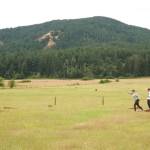
“We had two small children, Martha and Rachel. Martha was five, Rachel was three,” Lum said. “Our kids really wanted to donate and help save the mountain. So they both raided their piggy banks, took all their money out of their piggy banks, put it in Ziploc bags, and brought it to the desk.” Today, Lum’s family farms Coffelt Farm Preserve, protected jointly by the Land Bank and the Preservation Trust, with Turtleback rising behind it.
Executive Director Angela Anderson said that kind of grassroots involvement defines the mountain’s legacy. “Every conservation success begins with people deciding to act,” she told the crowd. “Someone says yes to volunteering. Someone makes that first gift… And that’s how conservation happens. It’s not all at once. But it’s together.” Anderson described her own connection to the mountain similarly: “Seeing it when the ferry rounds the corner and the island begins to emerge, there’s a moment when I know I’m home.”
Other longtime islanders framed the mountain’s meaning in more personal terms. “The turtleback is just so iconic,” said Barbara Rosenkotter, a Preservation Trust board member who moved to Orcas in 2000. “I think the thing about Turtleback is in a way it brings the community, the whole community of the San Juans together in some ways that maybe other properties don’t.” Troy Buckley, a Preservation Trust land steward who fell in love with the mountain 15 years ago as a volunteer, called it “a way to get into nature and immerse yourself into just the scenic beauty from up there looking out.”
Chip Long, executive director of the Port of Orcas, who attended the celebration with his wife, Elizabeth, offered a similar reflection. “Turtle Back is as important as anything on this island … it just is. And it symbolizes people coming together for the reason of preservation and conservation. And that, I love that,” Long said. He added: “There’s almost always evidence of people either maintaining the trails, planting the Gary Oaks, cleaning up, doing things. And it just, to us, it symbolizes people coming together about something they really care about. And it’s just so natural. And that’s what we love.”
Michael Hurwicz, a co-founder of the nonprofit Irthlings Environmental Education, who attended, said: “To me, it preserves the wild and rural nature of our island. It’s a place where we can go and hike and just feel that we’re surrounded by nature.”
For Rosenkotter, the appeal resists much elaboration: “I think the bottom line is Turtle Back speaks for itself.”