The art of slow medicine: A conversation with Dr. Jennifer Simpson-Manske
Published 1:30 am Tuesday, June 16, 2026
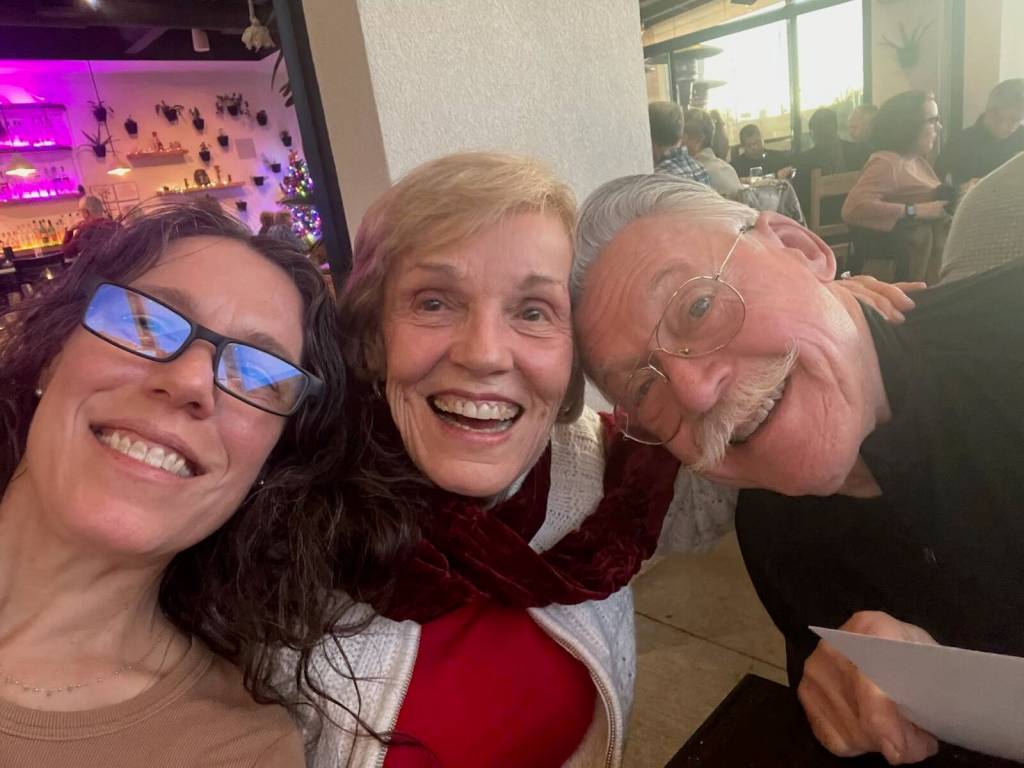
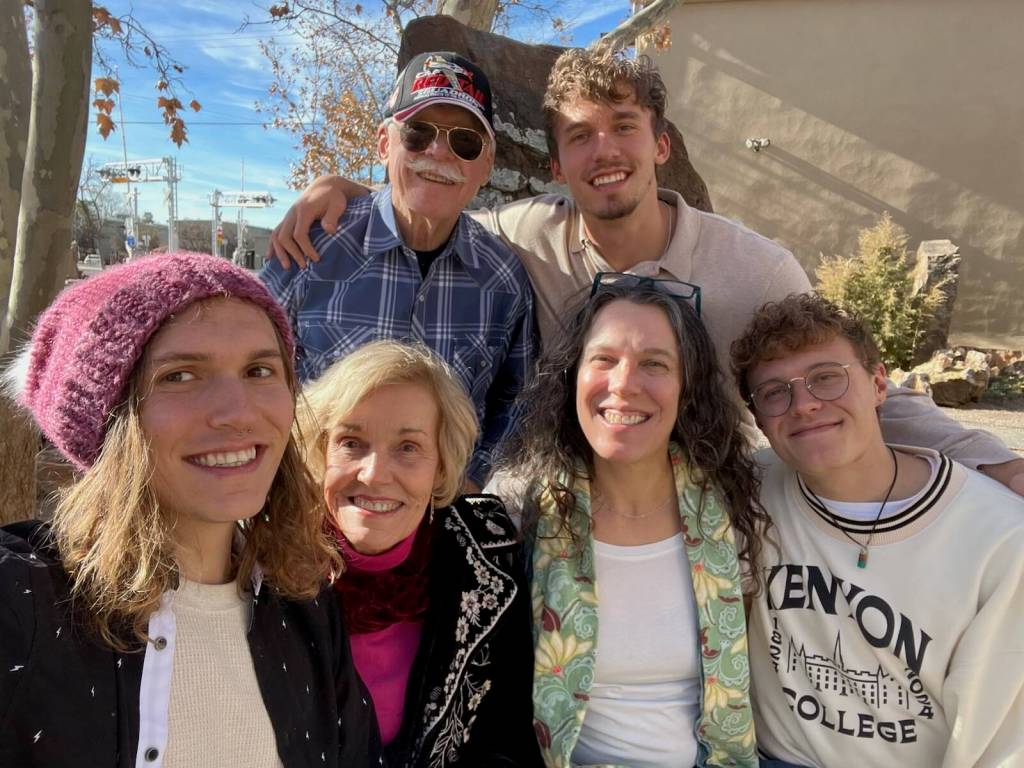
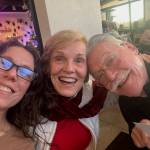
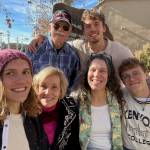
Dr. Jennifer Simpson-Manske came to Orcas Island, never having been here before. What she found was a community that wanted good medical care and knew how important it was.
She is currently exploring all opportunities to practice health care, including remaining on Orcas Island after leaving Island Primary Care. She sat down with The Islands’ Sounder on June 10 to talk about her practice, her family’s long history in medicine and her advice for staying healthy.
Slow medicine
Simpson-Manske practices what she calls “slow medicine.”
“I think medicine is quickly being pushed towards very fast visits,” she said. “And that’s something I can’t do.”
In today’s system, a 20-minute appointment means roughly five to seven minutes of actual face time with a patient.
Simpson-Manske describes chronic care using the metaphor of a hand-knitted sweater.
“I pull the thread to sort out one single problem and three more threads unravel, dropping into my lap,” she wrote in a recent reflection on her practice that she shared with The Islands’ Sounder. “So then suddenly, I have a sweater that has a seriously large hole in it — and there is a certain amount of work I have to do on that day, at that same visit, to repair the sweater.”
The concept of slow medicine originated in Italy in the early 2000s, and basically encompasses the biopsychosocial model — the interplay between biology, psychology and social aspects of a patient’s life. “And in order to tease that out and help patients, you have to spend some time with them.”
A family legacy
Medicine runs deep in her family. Her great-grandfather’s father was a surgeon in the Civil War. Her great-grandfather was a country doctor in Monroe, Ohio, and his two brothers were also doctors. Her grandmother wanted to be a doctor, but became a nurse instead — they didn’t have enough money to send her to medical school — she trained at Hopkins. Her father is an ear, nose and throat doctor who followed her out to New Mexico and eventually joined the Indian Health Service, after which he has been so much happier outside of private practice.
At one point, Simpson-Manske, her father and her then-husband were all practicing simultaneously at the Gallup Indian Medical Center.
“We would get calls for each other, [all sharing the same last name],” she said.
She graduated from Vanderbilt Medical School in 1994, one of only two in her class to go into family medicine — there was no family medicine department at Vanderbilt at the time. Her first job after residency was health care for the homeless in Dayton, Ohio. She later worked at a community health center in Santa Fe and trained at the University of Rochester Family Medicine Program. “And they emphasized the biopsychosocial model of medicine.”
Self-care and provider partnership
For those wondering how to take better care of themselves, Simpson-Manske offers this advice.
First: When you see a doctor, present your symptoms rather than a self-diagnosis.
“Once you hear a diagnosis, it’s much harder for a provider to think outside of that diagnosis,” she said.
Second: Exercise — even five minutes a day. “Exercise is the number one thing that people can do for their overall health and for their brain,” she said. She sends patients home with that modest goal, and many come back reporting they are already up to 10 or 15 minutes. “I can’t tell you how many patients have come back in and said, oh my gosh, I feel so much better.”
She notes that reaching this stage can take many months, or even a year or two, with visits every one to two months — changes that at first may be imperceptible to the patient. It is a lot of work for the patient to come in that frequently and make changes that slowly add up to feeling better. Her chart documentation, she said, helps patients see those small improvements over time.
Third: Find a provider who will sit down and listen, answer questions and wants you to come back for follow-up. Follow-up is where side effects get caught, where medications get adjusted and where the underlying causes of problems are found. And know your family history of cancer — it determines what screenings you are offered and how often.
A problem-solving approach
Simpson-Manske’s brain, she said, likes to solve problems — and Orcas Island offered plenty of them. People who had never been diagnosed, people who were undertreated, people who couldn’t get off the island, people who couldn’t afford medical care.
“The hospital district and the community are what brought me here,” she said. “They met with me and that to me was amazing — a group of community folks who wanted good medical care and knew how important it was.”
For the community here, she leaves this: “I’m very honored that the community here has allowed me to treat them. I’ve really enjoyed being part of this community — helping people to feel better, helping them to move forward, even if it’s in an imperfect way. This community is amazing. I’ve never been part of a community like this.”