Transportation on Orcas Island goes electric
Published 1:30 am Sunday, May 18, 2025
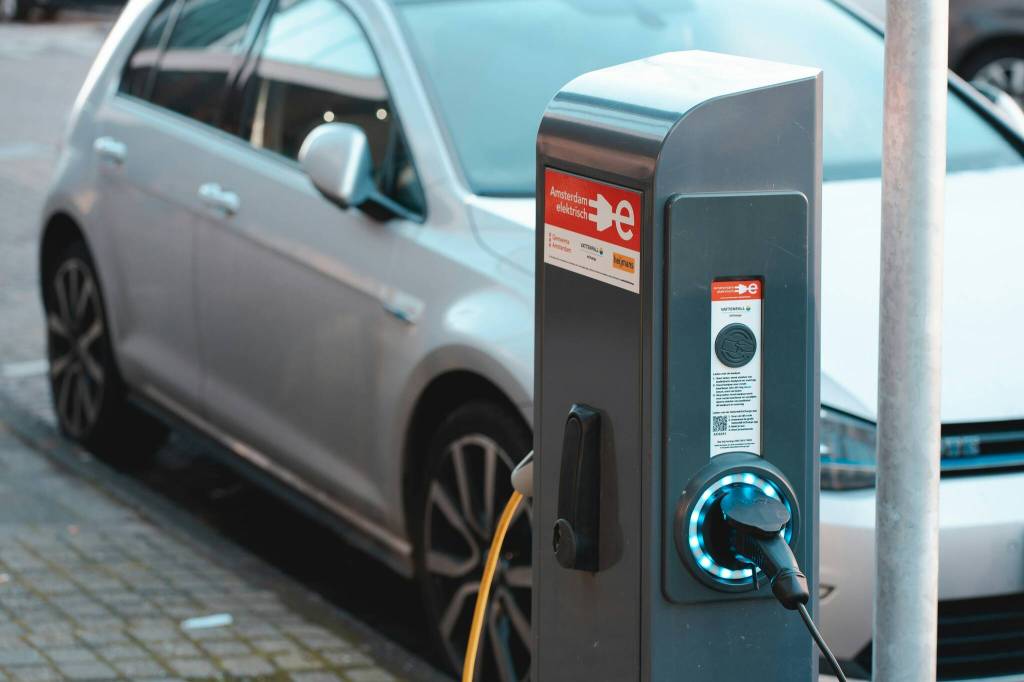
Bruce Benton presented the following update during the Earth Day events on two major grants that are dramatically strengthening green transportation on Orcas Island.
It became apparent when moving to Orcas Island a few years back that vehicle emissions were the largest source of pollution on the island – and that something was urgently needed to address the problem. So, two years ago, I applied for, and received, two Washington state grants to accelerate the adoption of electrical vehicles and reduce local carbon-based vehicle emissions.
The grants
The first was a grant for nearly $400,000 from the Washington State Department of Commerce. The grant supported the installation of 36 free publicly available level II EV chargers around the island and one level III, fast-charging station at the Orcas Airport – the first such fast charger in San Juan County. The sponsoring agency was the Port of Orcas.
The second, from the Washington State Department of Transportation, supported a pilot EV carshare project. It was sponsored by the nonprofit, Island Rides. The award totaled nearly $200,000. We set the stage for the launch by installing four chargers at the Reddick Apartments (also OPAL headquarters) and at the April’s Grove Apartments. Next, we purchased the two Chevy Bolts to be shared among participating drivers. The first driver applicants were accepted in July 2024 and the Green CarShare Project was underway.
Progress, current status
Considerable progress has been made in implementing these projects. In 2025 alone, 18 free publicly available charging stations have been installed at five sites in Eastsound and on both sides of the island. These include the Orcas Island High School (six chargers), The Exchange (four), Airport Center (three), Doe Bay (three) and the Eastsound Airport (two). An additional 10 level II chargers have been lined up and are to be installed at six other sites by end of June. In addition, the level III fast-charging station is scheduled to be installed at the Eastsound Airport by early June.
The Green CarShare Project – now available to all Orcas Island residents – has been underway for nine months. It offers free zero-emission transportation to any islander 21 and over with a Washington state driver’s license, minimal car insurance and a three-year clean driving record. Approximately 20 drivers have now signed up and have driven the Project’s Chevy Bolts more than 1,200 trips covering over 10,000 miles. The program has saved participating drivers thousands of dollars in fuel and maintenance. During recent consideration of San Juan County’s Comprehensive Plan for Transportation, the local group Island Stewards commented: “Green Carshare program is a local bright spot. It’s an Island-style solution – flexible, sustainable, and based on real community need. Residents can book an electric car when they need one without taking on the costs (or carbon footprint) of full-time ownership.”
Benefits to Orcas Island
The benefits of expanding the charging network and transitioning to EV transportation are primarily threefold: lower transportation costs, environmental benefits and reduced health risks.
Greater transportation affordability
With expanded free publicly available charging stations on Orcas, we project that 40% of gas-powered vehicle owners will transition to EVs over the next five years. That transition will substantially increase transportation affordability. Given the current cost of regular gasoline on Orcas of $5.50 per gallon and assuming a vehicle gets 20 miles per gallon, the average gas-powered vehicle driven 10,000 miles, costs $3,845 per year in fuel and maintenance, or $10.50 per day. By contrast, the cost to drive an EV over the same distance is estimated to be $730 per year, or $2 per day, given the available low-cost charging and the lower maintenance costs for EVs. Hence, the cost savings in transitioning to an EV will be approximately $3,000 per year or $8.50 per day. Current transportation costs for those relying on gas-powered vehicles are burdensome, particularly for the 39% of Orcas households living below the income level necessary to meet daily needs, and the 13% below the poverty line. High transportation costs are a disincentive to live on Orcas Island for those who provide our essential services.
Environmental benefits
Vehicles are the largest cause of greenhouse emissions on Orcas, followed by diesel ferries. They represent 78% of CO2 emissions in San Juan County (Cascadia Consulting Group Greenhouse Emissions Inventory), which reflects emissions levels on Orcas. With expanded, affordable EV infrastructure, there will be a strong economic incentive to transition to EVs. The goal of the EV Charger Project is to achieve at least a 40% transition to EVs over the next five years (through 2030), resulting in an estimated decline of approximately 30% in CO2 emissions from vehicles (Cascadia Greenhouse Emissions Inventory/OPALCO/San Juan County data).
Another environmental problem is ocean acidification. CO2 emissions from vehicles go into the atmosphere and settle in the ocean. With ocean absorption of CO2 emissions, pH levels decline causing ocean acidity. Western Washington acidification is high relative to other U.S. coastal areas. The ferries and international shipping contribute to the problem. Acidification threatens all marine life, but particularly shellfish, an important western Washington employer, food source and export. Ocean acidity inhibits shell formation in clams/oysters/mussels. Washington is the largest producer and exporter of shellfish in the United States. In 2023, that sector employed 2,700 people in rural areas and was responsible for exports valued at $11 billion. Accelerated transition to EV transportation on Orcas will help reduce acidification in the surrounding Salish Sea and benefit the local economy.
Health benefits
The toxic effects of the chemicals in carbon-based vehicle emissions, particularly in children, are an important and growing health concern. An article in the New England Journal of Medicine in January 2025 linked the exposure of these chemicals to the rise of important childhood diseases. It noted that over the past 50 years, cancer rates in children have increased by 50% and pediatric asthma by 300%. Transitioning to EVs on Orcas will reduce carbon-based vehicle emissions and thus exposure to the toxic effects of the harmful chemicals in these CO2 emissions.