Squirrel showdown: help us investigate an island invasion
Published 1:30 am Friday, June 23, 2023
by Cyndi Frausto
PhD, University of California, Los Angeles
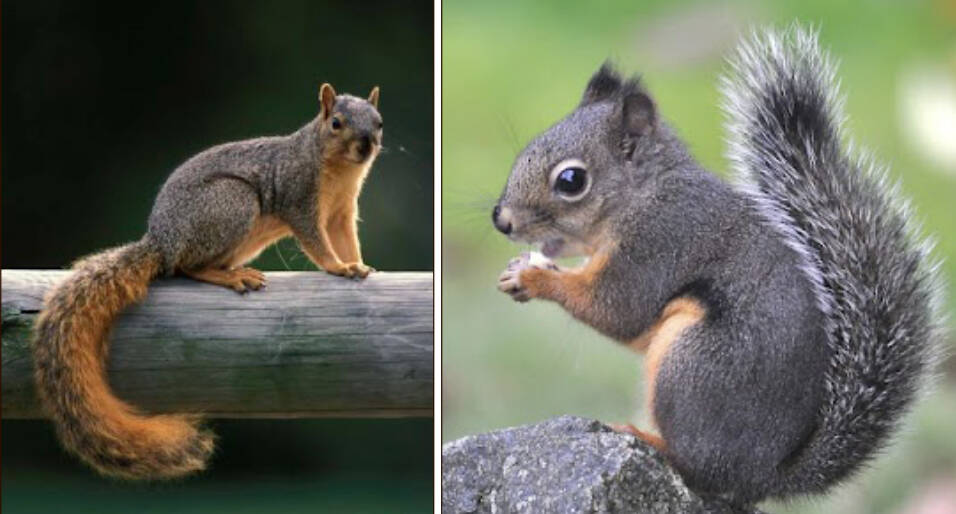
In the early 2000s, Orcas Island fell victim to an unexpected invasion: the Eastern fox squirrel. These squirrels, believed to have been brought for hunting or as pets, have multiplied rapidly and spread throughout the island. But their presence poses a threat to our beloved native species, the Douglas squirrel.
The Douglas squirrel plays a crucial role in the delicate balance of our ecosystem. With their symbiotic relationship with Douglas fir trees, they spread fungal spores, enriching our old-growth forests. They even serve as a vital food source for endangered predators like the Northern spotted owl.
The Eastern Fox Squirrel is much larger than our native Douglas squirrel. They stash their nuts in 1000+ secret locations, aiding their rapid expansion. They eat anything they can find, leading to fierce competition for food. They’re not afraid of humans and thrive in low-tree-density areas.
Join our exciting research project and help us investigate the impact of Eastern fox squirrels on the Douglas squirrel population. We need your assistance to confirm squirrel sightings across different regions of Orcas Island.
Use the survey link at https://forms.gle/Re71ZdW4J3k7W38t7 to report any squirrel sightings on your property or around the island. Your observations will help us create a comprehensive map of invaded areas and document the invasive success of Eastern fox squirrels over the past 20 years.
Be part of the solution and protect our native wildlife! Together, we can make a real difference in preserving the delicate balance of Orcas Island’s ecosystem. Join our community study today and help us track, document, and understand the impact of the Eastern fox squirrel invasion.
Local science organization KWIAHT has provided equipment and some field assistance.
“This summer, we expect to combine our tick study with Cyndi’s squirrel trapping, with a Vassar zoology student that’s apprenticing with us, helping Cyndi trap squirrels while he collects ticks from any squirrels or other small mammals that get caught,” said director Russel Barsh. “That’s the way science is supposed to work. I wish it did so, more often!”