Naval Air Forces lifts operational pause for Growler and Super Hornet fleet
Published 1:30 am Friday, December 16, 2016
Submitted by NAS Whidbey Island
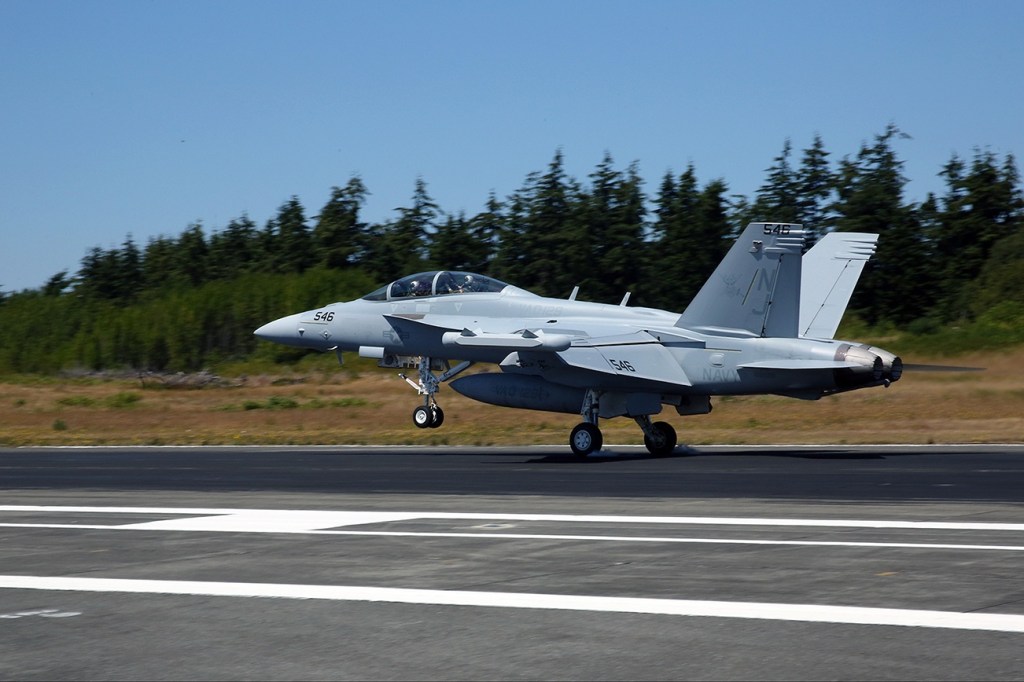
Naval Air Forces directed the Growler and Super Hornet squadrons to resume normal operations after an operational pause that was put into effect following a Growler ground mishap in Whidbey Island, Friday, Dec. 16.
The Growler accident that resulted in injuries to the Pilot and Electronic Warfare Officer caused safety concerns that necessitated an operational pause for all Super Hornets and Growlers. After Naval Air Systems Command and Boeing engineers investigated and identified several factors that likely contributed to the mishap, Naval Air Forces directed mitigation measures be implemented across the F-18 Fleet, since there are some similarities in the component designs for the affected systems in the recent Growler mishap. Once individual squadrons have briefed and incorporated these mitigation measures, they may resume normal flight operations.
The mitigation measures include changes to aircraft water-wash procedures and updates to the Naval Air Training and Operating Procedures Standardization (NATOPS) ground emergency procedures.
The Growler mishap is under investigation.