Kwiaht and the Indian Island Marine Health Observatory invite the community to join them for Doe Bay Resort’s Open Mic Thursday pizza nights throughout the month of March. Come meet the local scientists and volunteers who work with frogs, bees, bats, trout and marine invertebrates. Enjoy great food and local performing talents, and help support grassroots wildlife conservation efforts on Orcas Island.
Kwiaht is best known on Orcas as the sponsor of the Indian Island monitoring and stewardship program, which interacts with thousands of visitors each summer and collects data for annual report cards on the health of seabirds, sea stars, sea slugs, crabs and fish. Kwiaht also monitors other small National Monument islands around Orcas, and hosts two annual marine science events: Celebrate Indian Island in the fall and the Tides of March in spring, which will be at the Episcopal Parish Hall on March 15 at 3:30 p.m., and focus on consumer choice and the environment.
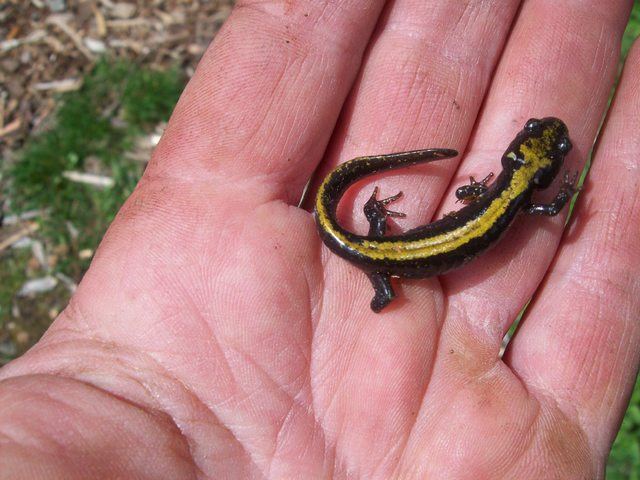
Another side of Kwiaht is researching the terrestrial ecology of Orcas, from bats to bees, wildflowers, reptiles and amphibians. The first year-round ultrasound listening post for bats in the western Washington is installed near Olga. Kwiaht published a guide to the rare plants on Mount Constitution, and set up the first Newt Crossing signs in San Juan County at Deer Harbor and Summit Lake. Kwiaht’s heritage apple project mapped and preserved grafts from dozens of old orchards and roadside trees around Orcas.
This year’s school program introduces fifth-grade students to pollinator ecology and conservation, with financial support from the Satterberg Family Foundation, and sixth-grade students are making short films abovut marine pollution. Projects in previous years have included wetland ecology, marine plankton, sea star ecology and the biology of ocean acidification, and advanced students earn apprenticeships in Kwiaht’s analytical laboratory each year.