
The number of species listed as threatened or endangered or which are candidates for listing in the Salish Sea has nearly doubled since scientists began tracking it in 2002.
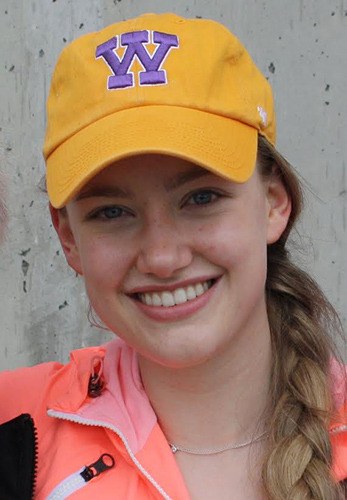
According to Jacqlynn Zier, an undergraduate student at Colgate University and the SeaDoc Society scientist who presented the findings at the Salish Sea Ecosystem Conference in Seattle, the increases are due to two factors.
Zier pointed out “while we have improved our understanding of which species use the Salish Sea ecosystem over the last decade and that has added some species to the list, many species have been added because one or more jurisdictions has recognized the species are in decline and need special consideration for recovery.”
Zier, who graduated from Orcas High School, won first place for oral presentations at the conference.
When scientists first began tracking the indicator in 2002, there were 60 listed species. Today, that number is 119. Species of concern, also called species at risk, are species that warrant special attention to ensure their conservation. In the Salish Sea, four jurisdictions list species: British Columbia’s Provincial Government, Washington State, the Canadian Federal Government and the U.S. Federal Government.
In terms of species diversity, the paper shows that 35 percent of mammal species, 32 percent of bird species, 17 percent of fish species and 100 percent of reptile species in the Salish Sea are listed by one or more jurisdiction. Co-author Joe Gaydos, chief scientist with the SeaDoc Society said, “those percentages are shocking” and suggested, “maybe it is time we consider the Salish Sea an ecosystem of concern.”