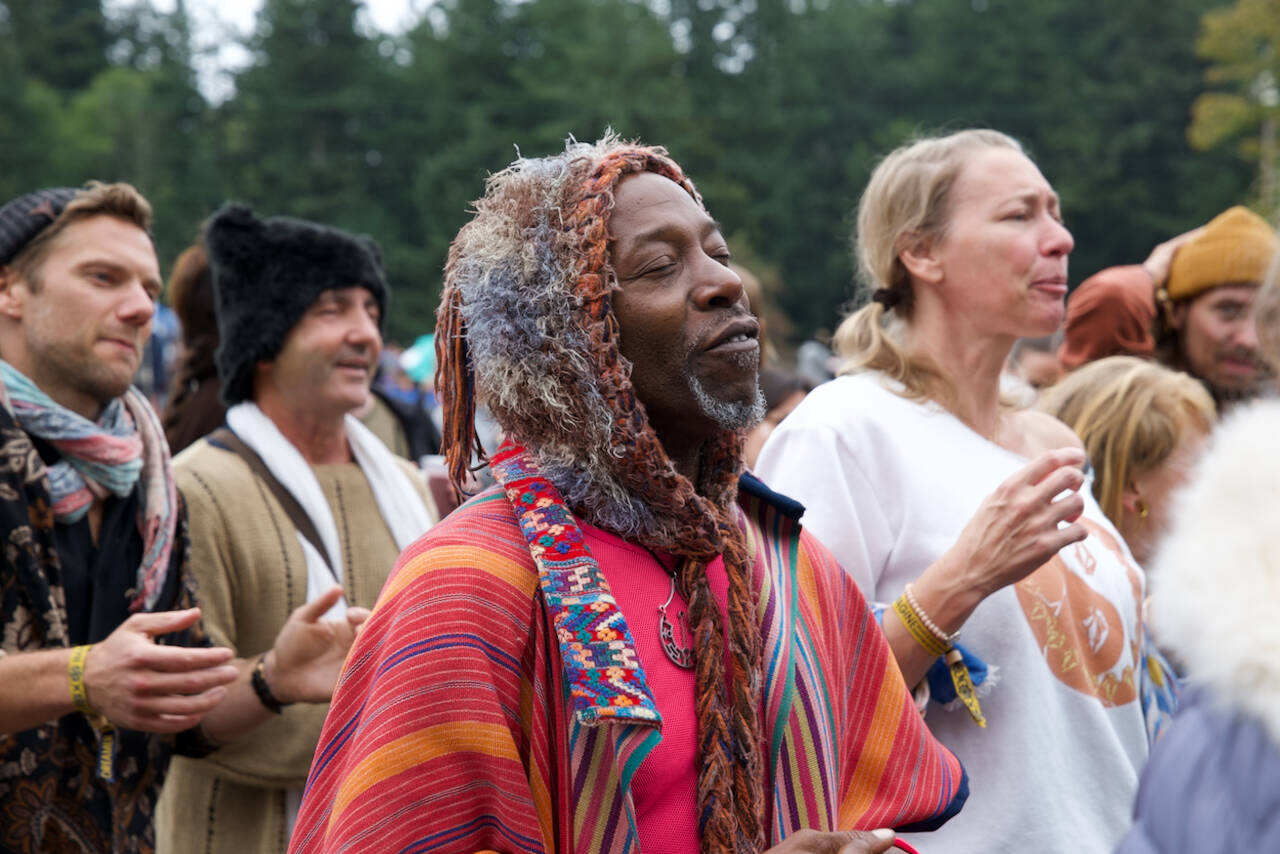
By Darrell Kirk
Sounder contributor
In a world often divided by differences, a remarkable gathering on Orcas Island proves that music, art and intentional community can transform lives. Imagine Music and Arts Festival, now in its 8th year, has quietly become one of the Pacific Northwest’s most transformative cultural experiences — a place where strangers become family and attendees leave forever changed.
“This music is stemmed out of water, it’s stemmed out of grief, it’s stemmed out of a place of almost giving up on life,” shared performer Max Ribner before his song “Dreamers” echoed across the festival grounds. “We need music, and like DC Prince says, no struggle, no music. And so, I just want to thank all the people here for carrying this with us.”
Ribner’s words capture the essence of what makes Imagine Music and Arts Festival, held Sept. 5-7, unique among music gatherings. Cofounded by Jake Perrine (2015-17) and Darin Leong, who has lived on Orcas Island for more than 30 years and brings decades of event production experience, the festival represents far more than entertainment — it’s a purposeful cultural movement designed to heal and inspire.
The festival’s foundation rests on deep local roots and extensive event management expertise. Leong’s vision came to life through partnerships with seasoned organizers Ian Welch and Jami Mitchell, friends who have worked together for more than two decades. Their combined experience includes managing the legendary Doe Bay Festival for 13 years, giving them an unparalleled understanding of large-scale event production on the island.
“Darin has been throwing events for 30 years, so he knows how to do this,” explains Welch, the festival’s co-producer. “He has a great network and can make these things happen. He really inspires other people, and they tend to work around him and for him and for these ideas.”
Welch and Mitchell bring professional organization skills that show in every aspect of the festival.
“This has been the smoothest year yet as the eighth year,” notes Mitchell, “because we’ve had stuff go wrong in the past. We’ve been able to head it off and dial in new systems.”
The festival, which welcomes around 1,000 attendees, features a comprehensive volunteer program and professional infrastructure. Mitchell created standard operating procedures for all department leads and volunteers, conducting pre-event Zoom orientations to ensure seamless operations.
“Our goal was to empower our shift leads and our department leads so they could then empower the volunteers that worked underneath them,” Mitchell explains. “Nobody was sitting on site going ‘I don’t know how to tell this person who just pulled up where to go.’”
The volunteer corps spans multiple specialized teams, including parking coordination, shuttle services, camping management, green team sanitation, kitchen operations and vendor coordination.
“We really couldn’t do it if we didn’t have really huge support from volunteer teams,” Mitchell acknowledges. “People sign up in exchange for a ticket.”
Perhaps most impressive is the festival’s commitment to safety through professional medical and security teams. Dr. Evan Buxbaum leads the medical team alongside highly credentialed EMT Fletcher Dae, supported by volunteers who are skilled EMTs and nurses operating from a fully equipped first aid tent.
Beyond physical safety, the festival provides emotional support through “Sanctuary” — a dedicated space staffed by therapists with backgrounds in psychology and sociology. Security, called “guardians,” focuses on de-escalation rather than enforcement.
“Sometimes when people come to a large gathering that has so much love and positivity it can also bring about some grief,” Mitchell notes. “We’ve really dedicated a thoughtful space to that.”
Life-changing experiences
For many attendees, Imagine Music and Arts Festival represents a profound turning point. Brandon Brewer traveled from Kentucky specifically for the festival after discovering it could provide healing he couldn’t find elsewhere.
“In 2018, I was pretty depressed and dealing with a lot of life things,” Brewer recalls. “When I came out here, everyone was so kind to me, and I was just a musician. I had played music since I was 15 but never put myself out there. I came and did this festival, and next thing you know, I’m working on EPs, I’m in a recording studio, and I’m a three-time nominated artist.”
Festival attendee Allie Monet Ellis had this to say about the event: “I danced under open skies, curled up in cuddles with friends, sat still by the water doing absolutely nothing—and for once, didn’t feel bad about it. I tried breathwork for the first time and was met with the sweetest emotional release. Something cracked open in me that needed to move. And it did.
“The art — oh my god, the art. Every performer, every visual experience, every offering added to this kaleidoscope of connection, presence, and joy. My inner child came out to play in full force, and she was so damn happy to be invited.
“I met new people. I grieved. I laughed loudly. I moved emotions that had been stuck for months. I felt weightless leaving the island—lighter in body, spirit, and mind. This weekend reminded me of how good it feels to just be… fully myself. Nothing to prove. Nowhere else to be,” Ellis continued.
Festival elder and Orcas Island resident Vibha Golem, 79, connects the experience to broader cultural healing: “I feel like when I’m at a festival like this, it’s like going back to the ‘60s. It’s bringing back that hope to me that really, if we can imagine a different kind of world, we can create it.”
A mindful, alcohol-free environment
Unlike many music festivals, Imagine maintains an alcohol-free environment, creating what organizers call a “mindful culture event.” This policy directly supports the festival’s family-friendly atmosphere and deeper healing mission.
“It’s family-friendly. That was the biggest selling point,” Brewer explains. “My children were like 8 and 13 when they came. And they were safe.”
Young artist Kiyomi Farish, an Orcas Island high school class of 2024 graduate who exhibited her art at the festival, adds: “The core values aren’t drugs. The core values are art and joy and celebration. And be kind. And love people.”
The festival’s workshop program offers transformative experiences ranging from breathwork ceremonies and yoga to panels on beneficial uses of artificial intelligence.
The festival brings significant economic benefits to Orcas Island through visitor spending and local vendor hiring.
“You’re bringing all these people to the island who are going to stop at the grocery store on the way in,” Mitchell explains. “They’re going to eat at restaurants. We’re hiring a local Port-a-Potty vendor, hiring a local U-Haul distributor to rent vans for our shuttles.”
Cooperation with the Doe Bay community extends beyond economics to genuine relationship-building. The festival maintains six or seven land agreements with neighbors for parking and camping, while providing free tickets to area residents.
As Imagine Music and Arts Festival continues evolving, its impact ripples far beyond Orcas Island, creating what organizers and attendees describe as a cultural movement with global implications. The festival represents more than entertainment — it serves as a laboratory for intentional community and a model for how large gatherings can serve healing and transformation.
The festival’s commitment to continuous improvement reflects its organizers’ understanding that they’re building something significant for future generations.
“Every year we have an after-event meeting that’s called the After Action Review,” Welch explains. “The After Action Review is a chance for everyone to collect what went wrong, what improvements worked well, what didn’t work, what new ideas we want to try, and who the rock star volunteers were who we want to invite back so we can constantly be growing the next generation of leadership.”
Attendees carry the festival’s transformative energy into their home communities, creating ripple effects that extend the festival’s impact year-round.
Brewer describes his commitment to bringing the festival’s principles to Kentucky: “I want to bring something like this there. The galleries are just epic. The diversity is just beautiful. I want people to wake up from the delusion that exists there.”
The circle closes
The closing ceremony encapsulates the festival’s deeper purpose, featuring the collective singing of John Lennon’s “Imagine” — the song that inspired the festival’s name.
“We’ll be singing the ‘Imagine’ song, John Lennon’s ‘Imagine’ song, which is where the name of this event came from, and oftentimes we’re all holding each other, and there’s a lot of tears,” Mitchell describes.
In an era of division and disconnection, Imagine Music and Arts Festival proves that gatherings rooted in love, professional organization and genuine community care can indeed change lives. The festival demonstrates that entertainment and transformation can coexist, that safety and freedom can complement each other, and that local communities can benefit from hosting transformative cultural events.
As one panel participant observed: “These gatherings are machines that generate new humans. These gatherings produce people who are committed with every cell in their body, like nothing else. That’s why we do them. It’s the future of humanity.”
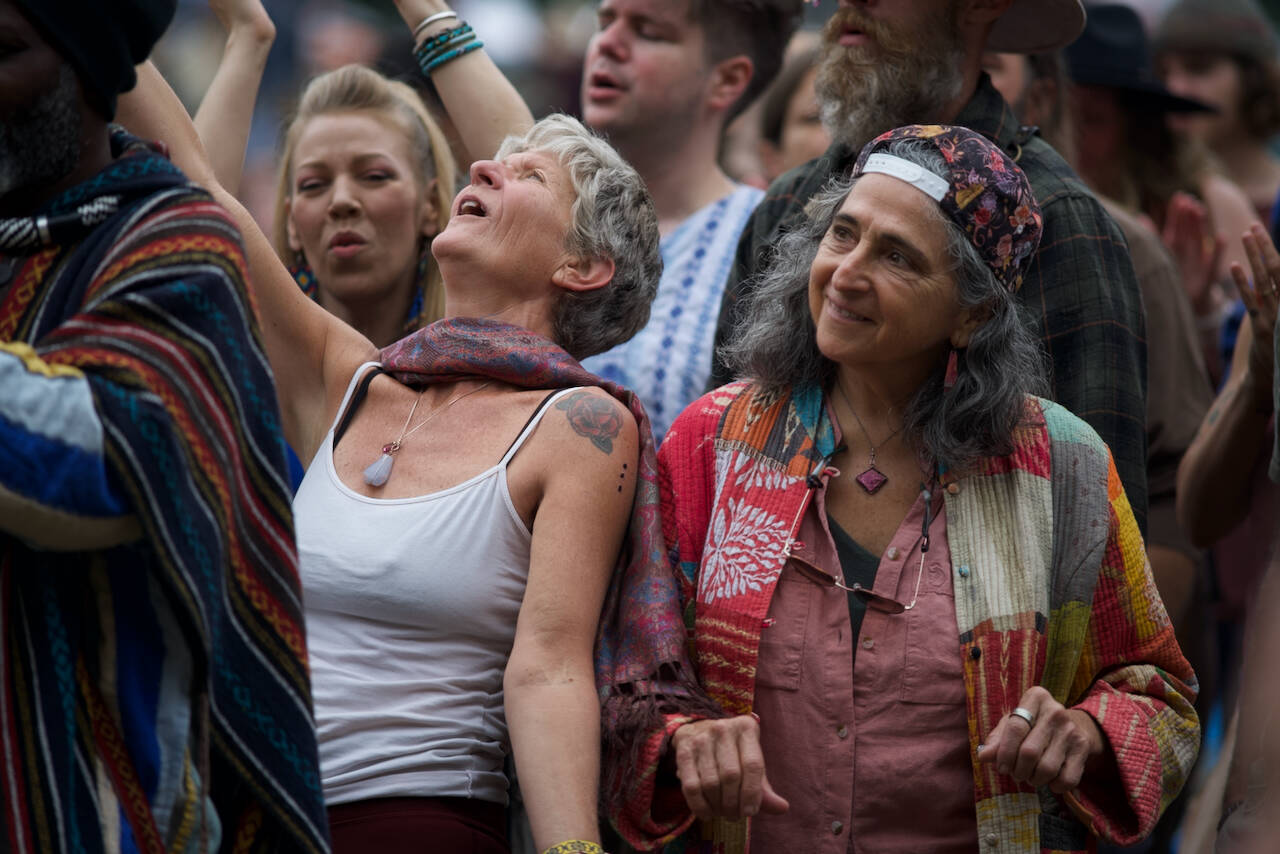
Darrell Kirk photo. Festivalgoers revel in the experience.
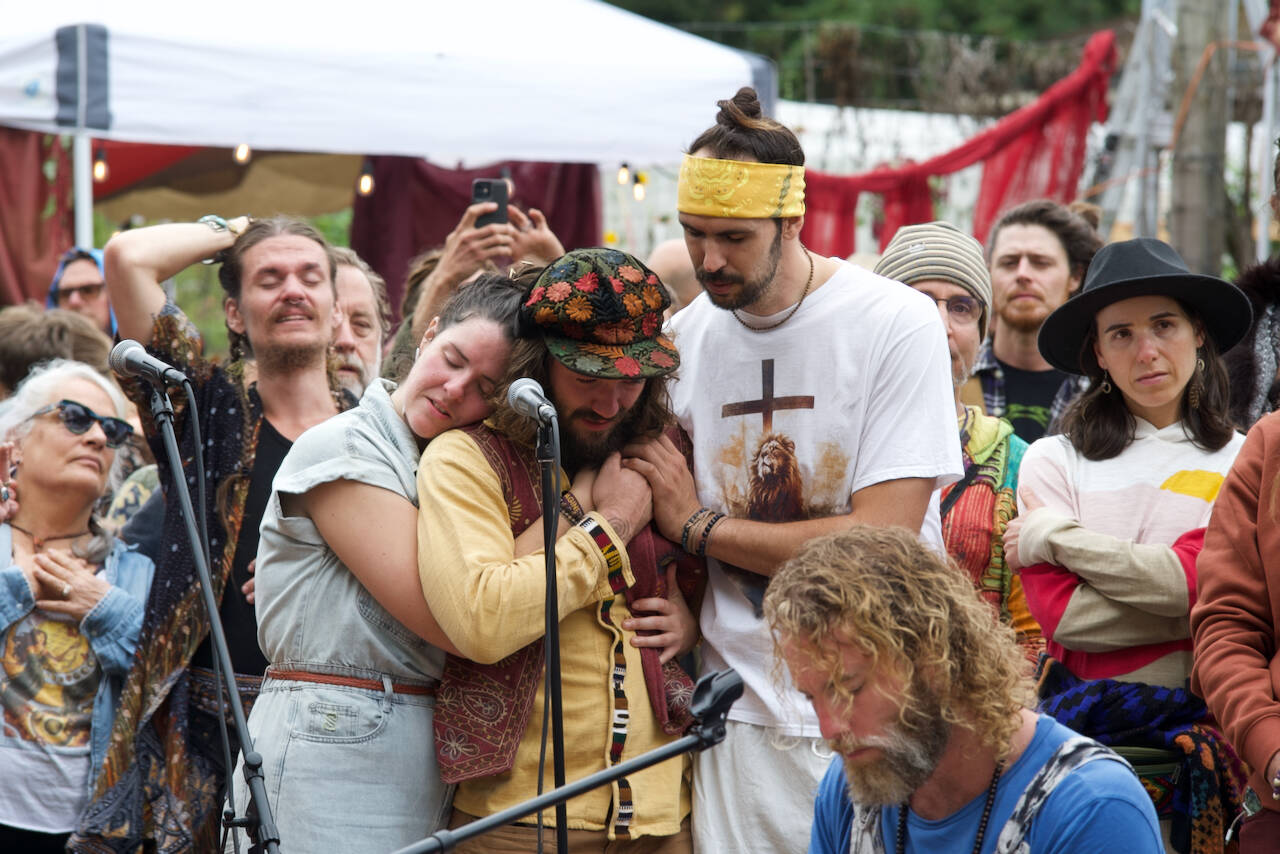
Darrell Kirk photo. Festivalgoers revel in the experience.
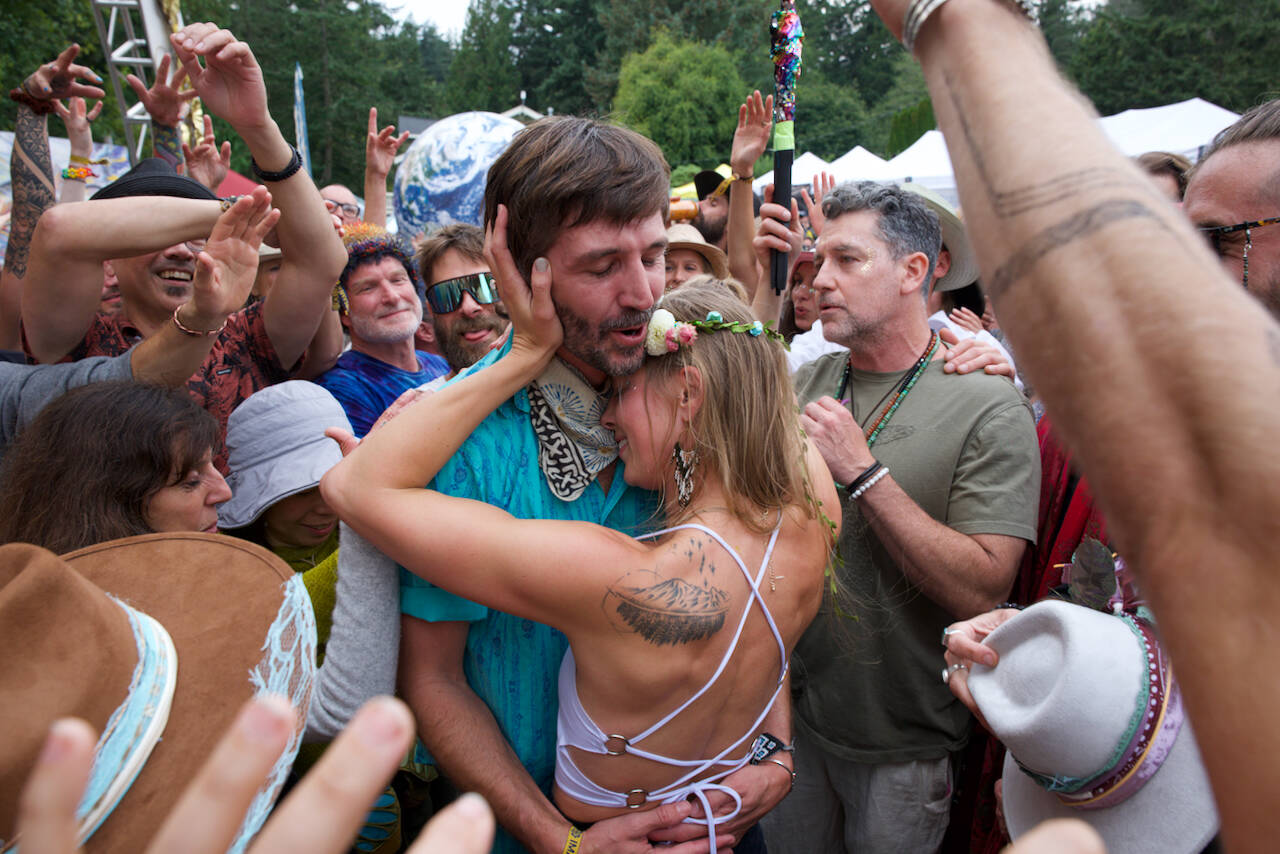
Darrell Kirk photo. Festivalgoers revel in the experience.
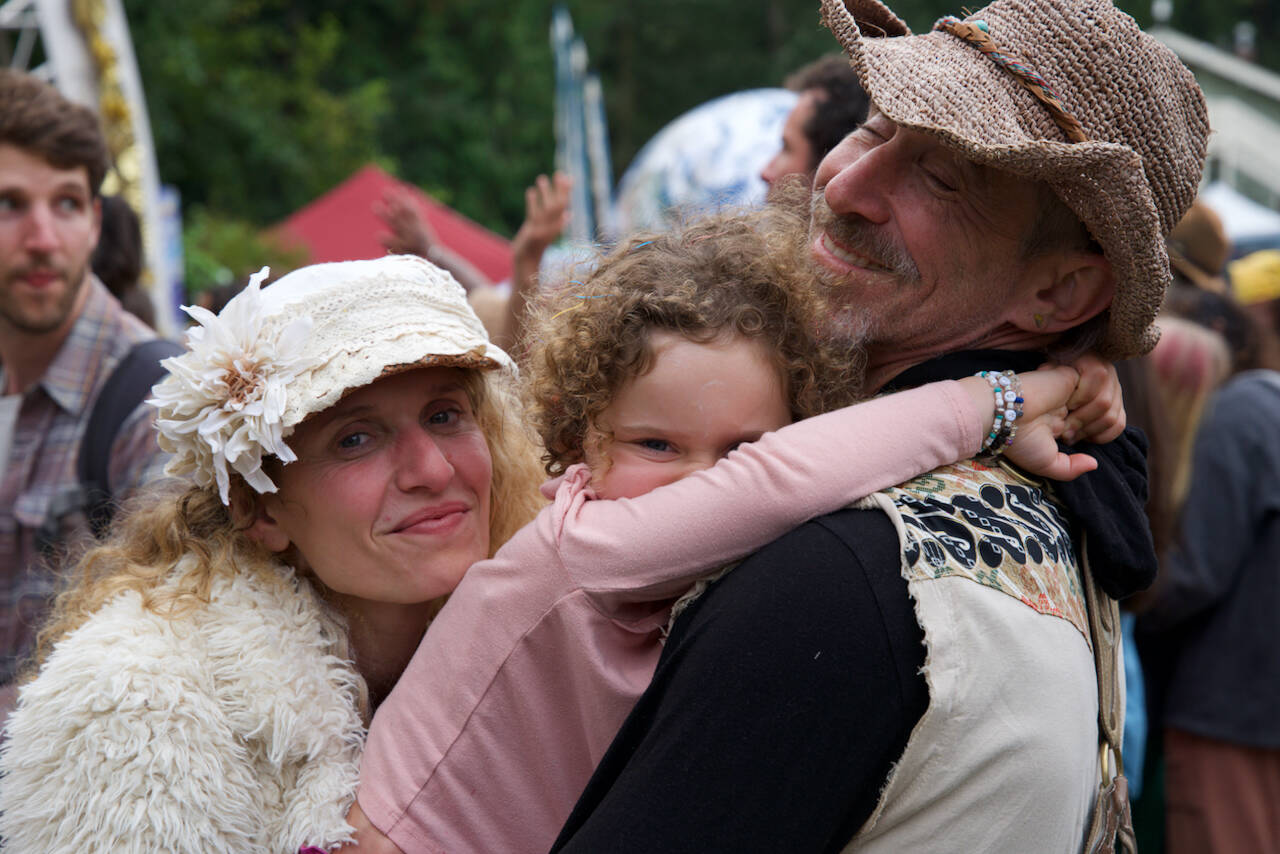
Darrell Kirk photo. Festivalgoers revel in the experience.
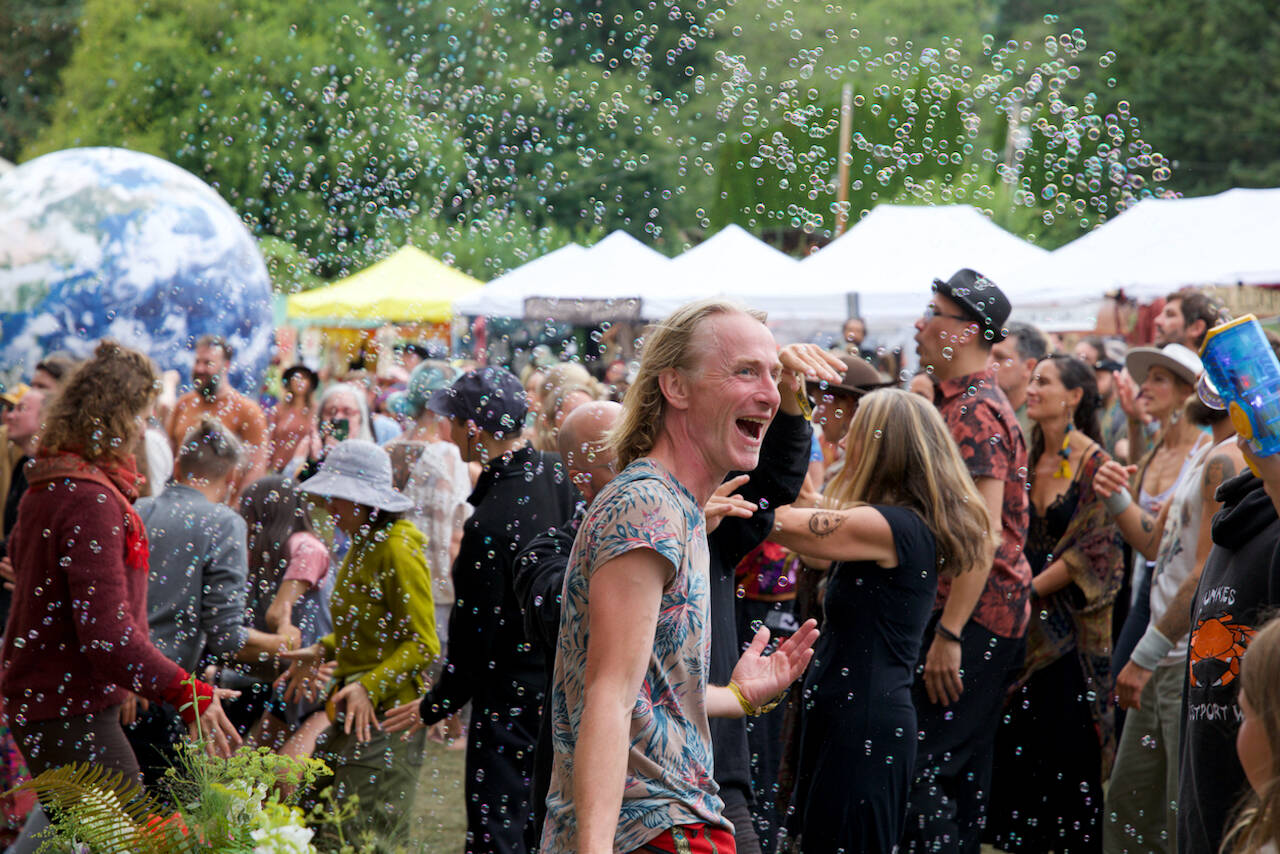
Darrell Kirk photo. Festivalgoers revel in the experience.
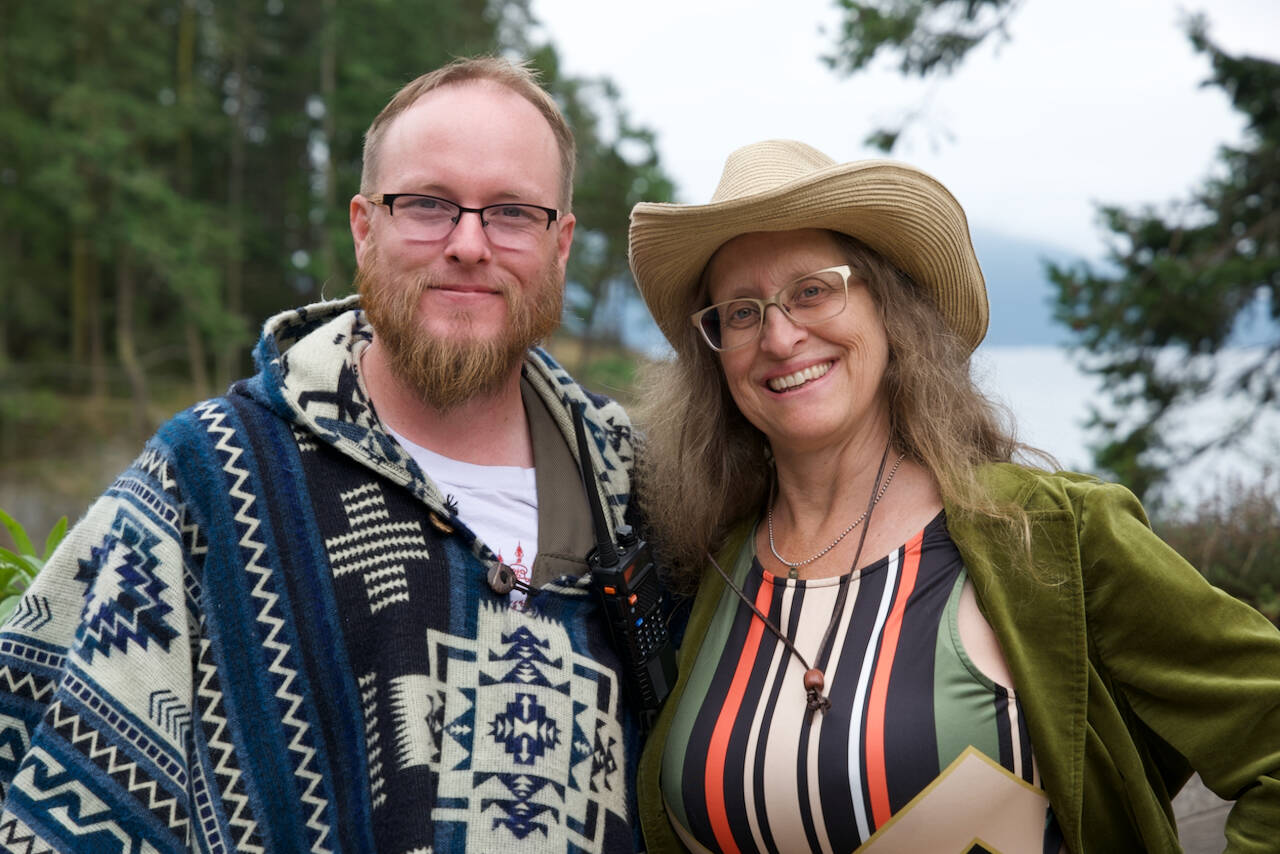
Darrell Kirk photo. Ian Welch and Jami Mitchell.