

By Darrell Kirk
Sounder contributor
The waters between Orcas Island and Salt Spring Island have witnessed thousands of years of indigenous travel, trade and ceremony. This Sept. 19-21, those same waters will once again carry canoes and boats in a journey that seeks to honor that ancient connection while addressing the modern realities of borders that both unite and divide communities.
The annual Orcas Island to Salt Spring Flotilla represents more than a recreational paddle across international waters. For organizers and participants, it’s an opportunity to understand how colonial borders have affected Coast Salish peoples who have called these islands home since time immemorial, and to explore how contemporary communities might better honor that legacy.
The weight of water and history
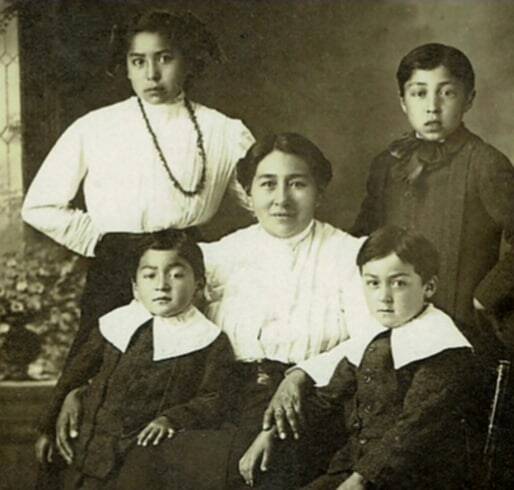
Josiah French Feld, vice president of the nonprofit PKOLS and a member of the PḰȺ¸OLWEȽ (Mitchell Bay) people who have ancestral ties to STOLȻEȽ (San Juan Island), speaks about these waters with the knowledge of someone whose family has witnessed generations of change. His perspective illuminates why this flotilla carries special significance.
“The saltwater here exists, right? It comes fresh quickly through here,” French Feld explains, describing the unique ecosystem of the San Juan Islands. “The potatoes and carrots that grow here are different. The water here, you know, the freshwater here feels different. You feel different here. You dream different here.”
This isn’t merely poetic observation. For indigenous peoples of the region, the distinctiveness of these ṮEṮÁĆES (islands) stems from their role as a cultural and spiritual crossroads where multiple W̱SÁNEĆ and other Coast Salish languages and communities have converged for millennia. The waters that flotilla participants will cross were once highways connecting communities that knew no international boundaries.
Languages, not lines
Understanding the true scope of what was disrupted by the establishment of the U.S.-Canada border requires recognizing that the San Juan Islands represent a convergence of distinct indigenous communities. French Feld explains that three different languages exist within the islands: Lhaq’temish (spoken by communities from Semiahmoo to Nisqually), SENĆOŦEN (found on Vancouver Island and parts of San Juan Island, Lopez and Orcas) and Lekwungen (at the southern tip of Vancouver Island and San Juan Island around Cattle Point).
“Tribes didn’t exist before this border was created,” French Feld emphasizes. “There was just family names and the places that they belonged to. Some of them belong to saltwater rivers. Some of them belong to freshwater rivers. The matriarchs were the ones that decided all of these things.”
This distinction matters because contemporary federal recognition systems, established in the 1850s after contact, created tribal boundaries that don’t necessarily reflect pre-contact relationships and territories. The Mitchell Bay people, for instance, represent families who remained in their ancestral territory rather than relocating to reservations, yet lack federal recognition as a result.
The pain of division
The establishment of the border didn’t just create paperwork complications. It severed familial and cultural connections that had existed for thousands of years. French Feld’s grandmother carried memories passed down from her own grandmother about hiding when war canoes appeared — living memory that stretched back to conflicts that displaced communities during the mid-1800s.
“The acknowledgement between the Haida and Lummi is an incomplete story because it wasn’t Lummi families only that were historically taken,” French Feld notes, referring to ongoing reconciliation efforts that sometimes fail to account for the full scope of historical trauma.
The border’s impact continues today. Ceremonial activities that once moved freely between islands now require passports and official documentation. “We can’t cross the border to do ceremony,” French Feld explains. “We have to have a passport. We have to have all of the enhanced driver’s license.”
Mitchell Bay: A hub lost to history
Central to French Feld’s family story is Mitchell Bay (known in SENĆOŦEN as PḰȺ¸OLWEȽ, meaning “the place of ancient wood”), which served as a crucial fishing hub. The bay functioned as a meeting place where families would store canoes, distribute fish and hold ceremonies. It served nine fishing sites across seven locations on the west side of San Juan Island.
“Mitchell Bay was like the center point because that’s where everyone met. It’s where they stored their canoes. It’s where they would divvy up the fish. They would give everyone their share,” French Feld recounts.
The site’s significance extended beyond fishing. It was where people would dance and celebrate, even after settler arrival. This continued until 1943, when his family’s regalia was stolen, and they were told not to return to harvest from waters that Washington state had sold to private interests in 1898.
The truth in names
Part of PKOLS’s work involves replacing colonial place names with their original indigenous names — a practice that requires delicate attention to authentic knowledge preservation. French Feld emphasizes the importance of using names documented in Dave Elliott Sr.’s 1983 book “The Saltwater People,” which compiled knowledge from 12 surviving elders who carried the SENĆOŦEN language.
“I don’t want to call it dead man or smallpox anymore,” French Feld says, referring to colonial-era names that reflect the devastating impacts of disease and displacement. “I want to give it the name that Dave Elliott published in ‘83. That’s the name that it was given thousands of years ago.”
This naming work isn’t merely symbolic. It represents a form of “rematriation” — returning knowledge and recognition to the matrilineal systems that governed these communities for millennia.
Women, wisdom and sustainability
French Feld’s emphasis on matriarchal leadership reflects broader indigenous governance systems that colonial structures disrupted. “In the language, in the culture, there are five genders,” he explains. “The women, whether you admit it or not, because of their abilities to give life, they’re the life givers. And so, they represent sustainability and life itself.”
This isn’t abstract theory but practical wisdom. French Feld’s grandmother was a SYÍIU¸E (medicine woman, midwife and undertaker, seer) who understood plant medicine and served as a knowledge keeper. Similar expertise exists among contemporary elders, but accessing it requires creating environments where grandmothers feel safe sharing hereditary knowledge.
“Most of the knowledge that has been passed down hasn’t even been told yet because they feel like it’s not safe. It’s still going to be exploited. It’s still going to be sold,” French Feld observes. “We’re relying on science and Universities to figure that out for us, but they don’t know. The grandmothers are the ones that know.”
A path forward
For flotilla participants and island residents seeking to better understand their place in this complex history, French Feld offers both context and hope. The current moment represents an opportunity for healing that transcends the colonial border — what he calls “trans-boundary healing.”
The solution isn’t complicated policy changes but rather creating space for authentic relationship-building. “It’s important to understand that the story, most of the knowledge that has been passed down hasn’t even been told yet because they feel like it’s not safe,” he explains. Creating that safety requires moving beyond territorial thinking toward genuine reciprocity.
Practical steps include supporting indigenous place name restoration, understanding the linguistic diversity that exists within the islands, and recognizing that environmental stewardship wisdom already exists within communities that have sustained these ecosystems for thousands of years.
September’s journey
The Sept. 19-21 flotilla offers participants a chance to experience these waters as more than recreational space. As paddlers cross between Orcas Island and W̱ENÁ¸NEĆ (Salt Spring Island), they’ll traverse the same routes that connected communities for millennia before borders existed.
French Feld emphasizes that healing this history requires acknowledging its full scope. “The healing needs to begin with the language that it comes from,” he says. Understanding that these islands represent the convergence of distinct peoples, languages and knowledge systems provides a foundation for relationships built on truth rather than assumptions.
For contemporary island residents, this understanding offers an invitation to relationship rather than guilt. “The type of people that have decided to stay here, the ones who have sold their homes or have a vacation home here or own businesses here, understand why this place is so special,” French Feld notes. “What’s missing is its identity.”
Restoring that identity doesn’t require displacing current communities but rather expanding understanding of what makes these islands distinctive—their role as a crossroads where saltwater and freshwater converge, where multiple languages and knowledge systems have met and where the wisdom necessary for sustainable living has been maintained through generations of indigenous stewardship.
As flotilla participants prepare for September’s journey, they carry an opportunity to experience these waters not as tourists but as temporary guardians of a legacy that extends far beyond any single crossing. The borders they traverse represent both the historical ruptures that divided communities and the ongoing possibility for healing those divisions through understanding, respect and genuine relationship.
The work continues year-round through organizations like PKOLS, which is fundraising for carved story poles that will mark significant fishing stations with their indigenous names and interpretive messaging. These efforts represent practical steps toward what French Feld calls “rematriation” — returning recognition and respect to the knowledge systems that have sustained these islands for thousands of years.
In crossing these waters, flotilla participants join a conversation about how contemporary communities might honor the past while building more inclusive futures. The journey offers both challenge and invitation: to understand how borders affect indigenous communities and to consider what genuine reconciliation might look like in practice.
ÍY, SȻÁĆEL. ÍY, ȻENS TÁĆEL “Welcome. It’s good you’ve arrived.”
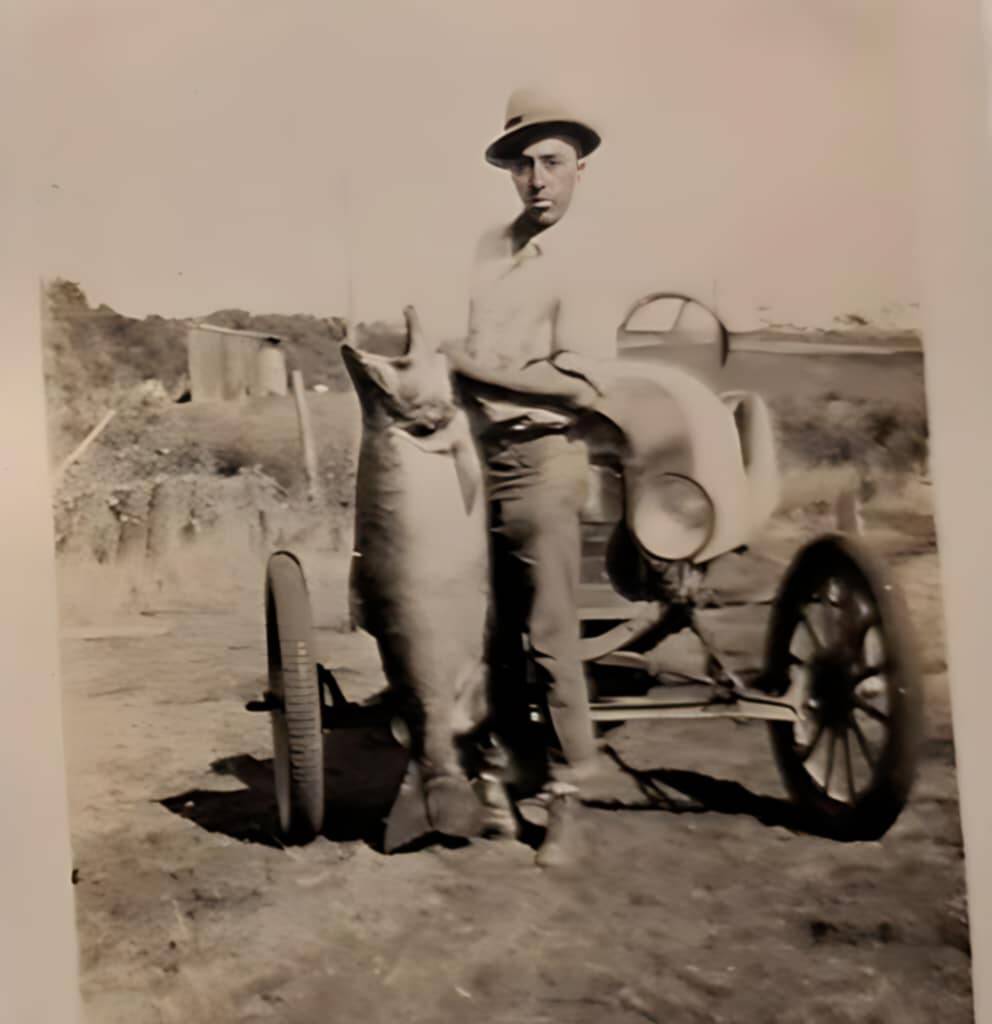
John French.