Last week, Rene Sturk was horrified as she approached her chicken coop and found one of her birds without a head.
“It was quite gruesome,” said Sturk, who lives in the North Beach area.
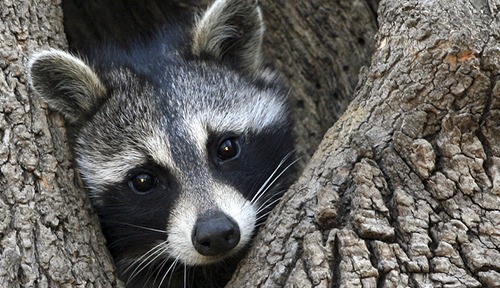
Sturk assumed that a raccoon pulled the chicken half way through the pen’s wiring then bit off its head since the coop was fully enclosed. She didn’t see the attack, but had noticed a raccoon in a tree nearby for the past week.
Several residents of the North beach neighborhood have reported raccoon attacks over the past few years. It’s unclear why raccoons are more bold in this location.
Shona Aitken, education coordinator of Wolf Hollow Wildlife Rehabilitation, said raccoon attacks are very rare.
According to Aitken, if an animal is fed consistently by people they lose their wariness of humans, and they can become more confident. She added that raccoons, which are omnivores, mostly forage for smaller meals like snails, slugs and berries.
“They eat a wide range of stuff,” she said. “In general they are not hunters.”
Adult raccoons weigh 15 to 40 pounds, their weight being a result of genetics, age, available food, and habitat location. Some males have weighed in at over 60 pounds. The average life span of a raccoon in the wild is two to three years. As long as raccoons are kept out of human homes, not cornered, and not treated as pets, they are not dangerous, according to the Washington Department of Fish and Wildlife.
Raccoon populations can get quite large in urban areas, due to hunting and trapping restrictions, few predators, and human-supplied food, according to the USFWS’s website. During this time of year, raccoons are out more frequently in the day searching for food to feed their kits.
Aitken added that the best way to deal with raccoons is to make sure they are not enticed to come onto your property. This can be accomplished in a few steps:
1: Spray your yard and deck with unpleasant scents like coyote urine (available for purchase online), lemon juice or vinegar. If you see raccoons in your yard, spray them with a hose to show them they are not welcome. Installing motion sensors for lights or sprinklers also detracts animals from coming closer.
2: Keep compost, garbage and other food contained. Do not leave your pet food outdoors.
3: Keep pets inside. Dogs and cats can be attacked by a range of wildlife.
Aitken said there is no record of any reported cases of rabies in mammals on the islands, but that doesn’t mean people should not be concerned about wildlife.
“Pet interactions with wildlife happen all the time,” Aitken said. “We feel like we are safe because we don’t have large predators, but it’s a false sense of security.”
For more info call Wolf Hollow at 378-5000. You can also call the WDFW Regional Office at 425-775-1311.