Local herbalist brings ancient plant medicine to modern life: Orcas Island educator shares traditional healing wisdom with new generation
Published 1:30 am Thursday, August 7, 2025
By Darrell Kirk
Sounder contributor
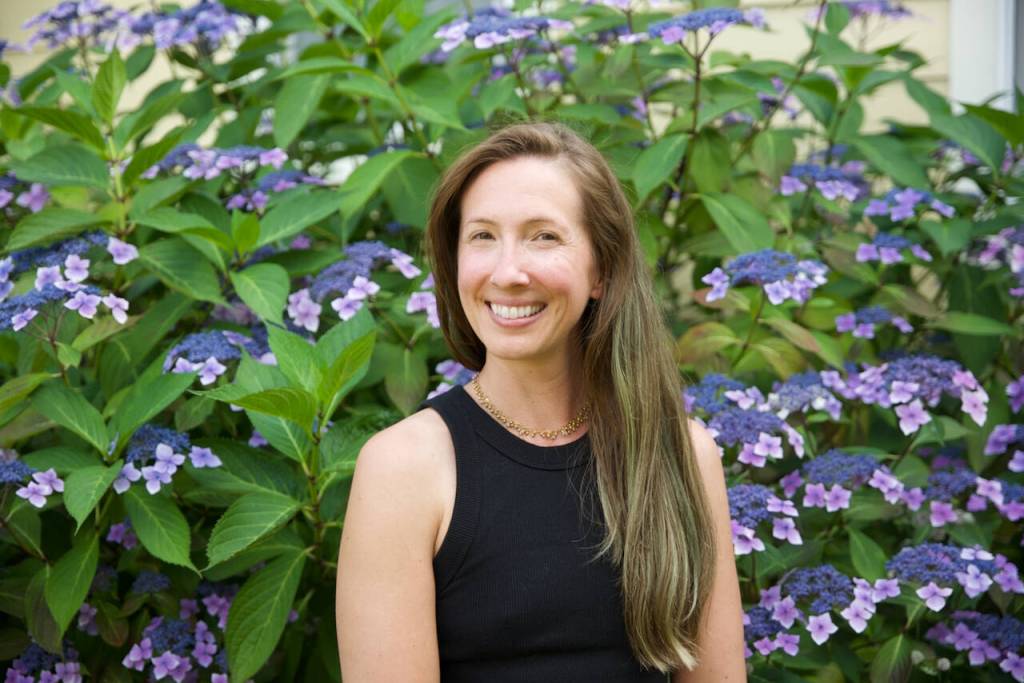
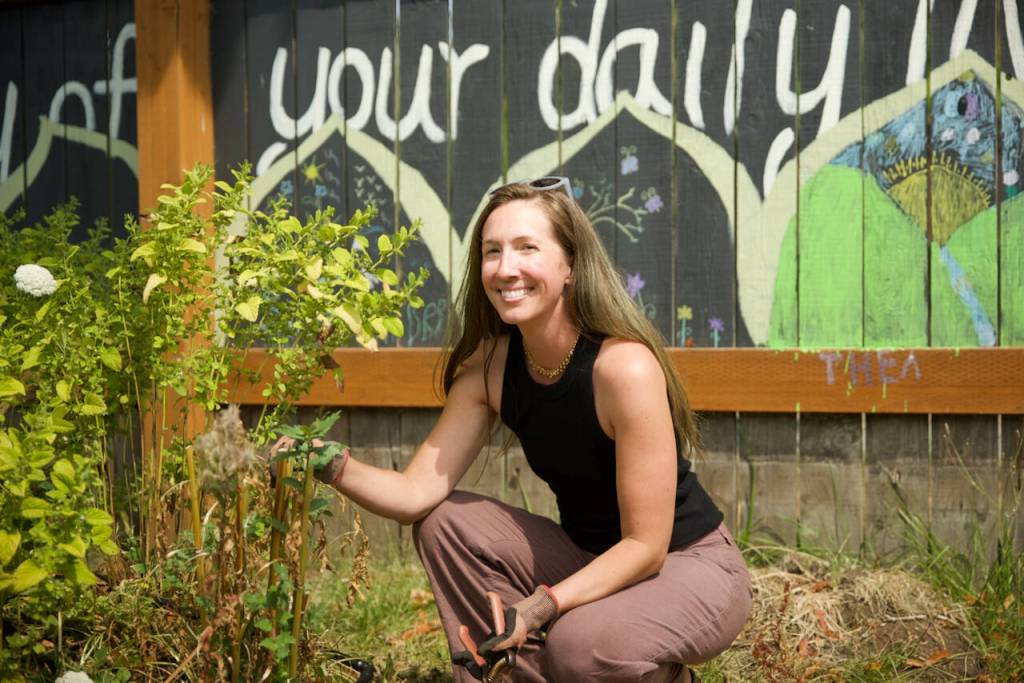
On Orcas Island, herbalist Lily Ostle is bridging ancient wisdom with modern healing, teaching children and adults about the medicinal power of plants that grow right in our backyards.
Ostle, who serves as the herbalist at Salmonberry School, discovered her calling through an unexpected journey. “I grew up coming here to Orcas,” she explains. “I used to walk around the forest and think I wish I knew what all these plants were. I didn’t even know that there are people who know what all the plants are.”
Her path to herbalism began as a birth and postpartum doula, where she first encountered plants beneficial for women during pregnancy and childbirth. A friend’s introduction to a teacher trained by Coast Salish elders opened her eyes to a world she’d been seeking since childhood. “It was like this amazing revelation of like, oh, this is what I’ve been wanting since I was a kid. But I never knew how to ask for it or even that this was something I could search out.”
Ostle’s training focused on native plants, with particular emphasis on the reverence Coast Salish peoples hold for these natural medicines. “My training was focused mostly on the native plants that are all around us,” she says. “The main thing I think I’ve learned from this process is just the reverence for the plants and that they are like they are an entity. They have their own spirit and their own purpose here on this planet.”
What makes herbalism different
Unlike conventional medicine’s “one pill once a day” approach, herbalism requires a different mindset. “When you want to heal your body with a plant, usually you want to consume a lot of it,” Ostle explains. “If you’re treating with herbs, you’re going to be doing something every couple hours – taking tincture, taking tea, or you’re getting a lot of it in your body in order to let it do its work.”
Her training, called folk herbalism, operates on the principle that “it’s a birthright for all people to know and have a connection to the plants and to know that the plants are here to help us and to heal us.”
Stinging nettle: A local wonder drug
One of the most abundant healing plants on the island is stinging nettle, which Ostle calls “kind of a cure-all.” This nutrient-dense plant helps with immune system function and digestive health, and strengthens skin, bones and hair. “It’s like anything that’s bothering you, nettle will probably help in some way,” she notes.
Harvesting requires care – wear gloves and harvest in spring before the plants reach about a foot tall and before they flower. “You gotta wear gloves and I always get stung,” Ostle laughs. “It’s almost like a good sting. You just start thinking, okay, this is my medicine.”
To prepare nettle, the stinging agents must be neutralized through boiling or pulverizing. For fresh use, blend the leaves to break down the acid. For long-term storage, bundle the plants loosely and hang them upside down to dry, though they’ll still sting when dried.
Teaching the next generation
At Salmonberry School, Ostle teaches children about plant medicine through tea ceremonies and garden walks, following four main rules: give gratitude, stay 100 feet from roads when gathering, always ask an adult to double-check plant identity for safety and only harvest 10% of any plant to ensure sustainability.
“The kids have a lot less conditioning than adults do,” she observes. “To them it makes sense to talk to a plant. It’s not shocking to ask a plant if you can pick them or not.”
Through her work, Ostle hopes to reconnect people with the healing wisdom that has sustained communities for thousands of years, fostering both respect for native plant traditions and practical knowledge for modern wellness.