

Frogs are croaking, newts are on the move, eagles are wheeling and calling overhead and robins are singing – it must be nearly spring!
Even though we may not be ready to shed our winter jackets yet, many local wild creatures think spring has arrived and are getting ready for the serious business of finding a mate and raising youngsters.
If you are out after dark, take a few moments to stop and listen to the “frog chorus” at a pond or marsh. Hundreds of tiny male Pacific Tree Frogs are gathering at their breeding ponds and croaking their little hearts out to attract females. Each small frog inflates its vocal sacs to produce a “crek-eck” sound and when hundreds get together the sound can be loud enough to reverberate through your whole body. It is one of the wonderful signs that spring is coming to the islands and we are lucky to still have some healthy wetland areas where these little frogs can thrive.
Tiny Rough-skinned Newts are also heading back to their breeding ponds from the woods where they spent the winter. Sadly, some of their routes involve crossing roads and many are run over by cars. The newts have brown backs, are only a few inches long and move very slowly, so they are difficult to spot when you are driving. But if you are aware of areas where they cross, you can drive carefully to avoid squishing these little creatures, warn friends and neighbors, and even gently move little newts off to the side of the road. Last spring we had reports of newts crossing roads near Summit Lake in Moran State Park, Orcas Road near Fowlers Pond, Victorian Valley Drive and on Channel Road. If you are seeing them in other areas, we’d be interested to know. Contact Wolf Hollow (wolfhollow@wolfhollowwildlife.org) or Kwiaht (kwiaht@gmail.com).
It’s not just amphibians that think spring is in the air. Male robins and blackbirds are starting to sing to advertise their territories and attract mates, and eagles are doing their aerial courtship displays. Some raptors, such as Great Horned Owls started the whole process back in December or January and may have eggs in the nest by now.
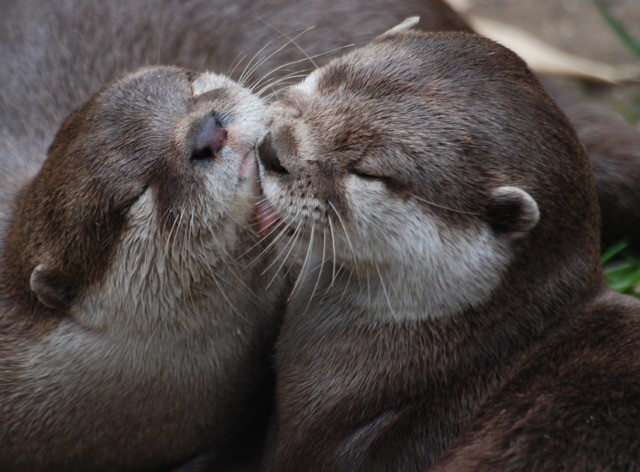
Mother raccoons, foxes and otters have already started to look for safe, warm, dry places to make a den and will be giving birth to their kits in the next few weeks. Before we know it, spring will be in full swing and there will be all kinds of baby wild creatures in the woods, in our yards, and even in our houses. If you’d rather not have raccoons in the attic, otters under the deck, or birds nesting in your dryer vent, you may still have time to block up holes and cover vents – but you’d better be quick!
Early Spring Wildlife Tips
• Enjoy the Frog Chorus.
• Watch out for newts crossing roads.
• Listen to the birds singing in your yard.
• Go out today to check your house, cover vents, block holes under decks etc, before your wild neighbors move in.