A fleet of neighbors: Boaters from Orcas and San Juan Islands carry the Aqua Chautauqua across the Salish Sea
Published 1:30 am Monday, July 27, 2026
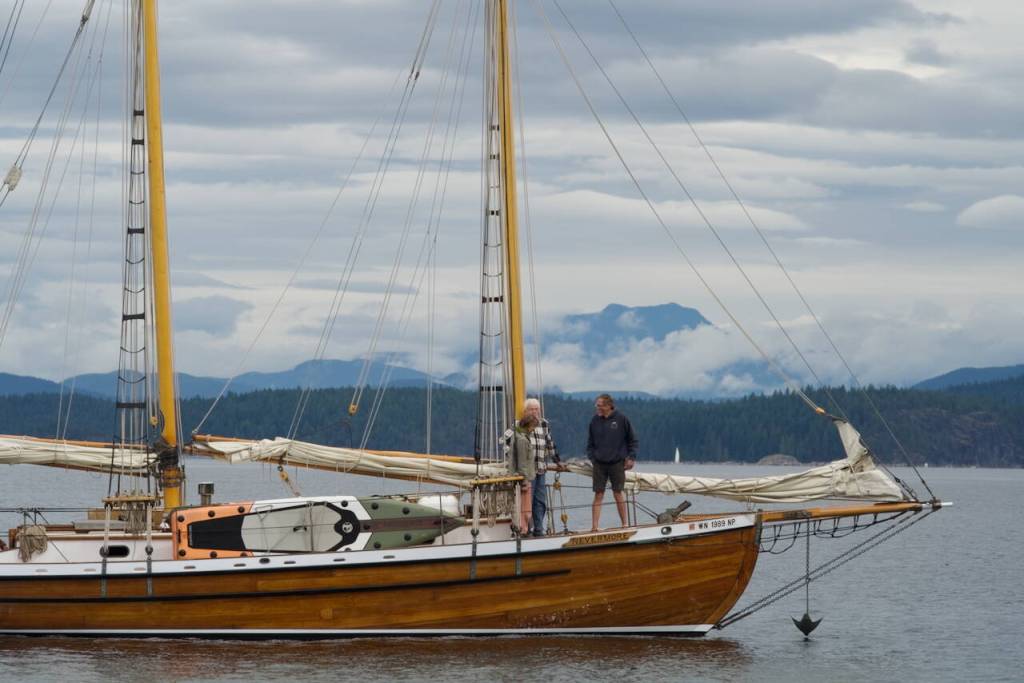
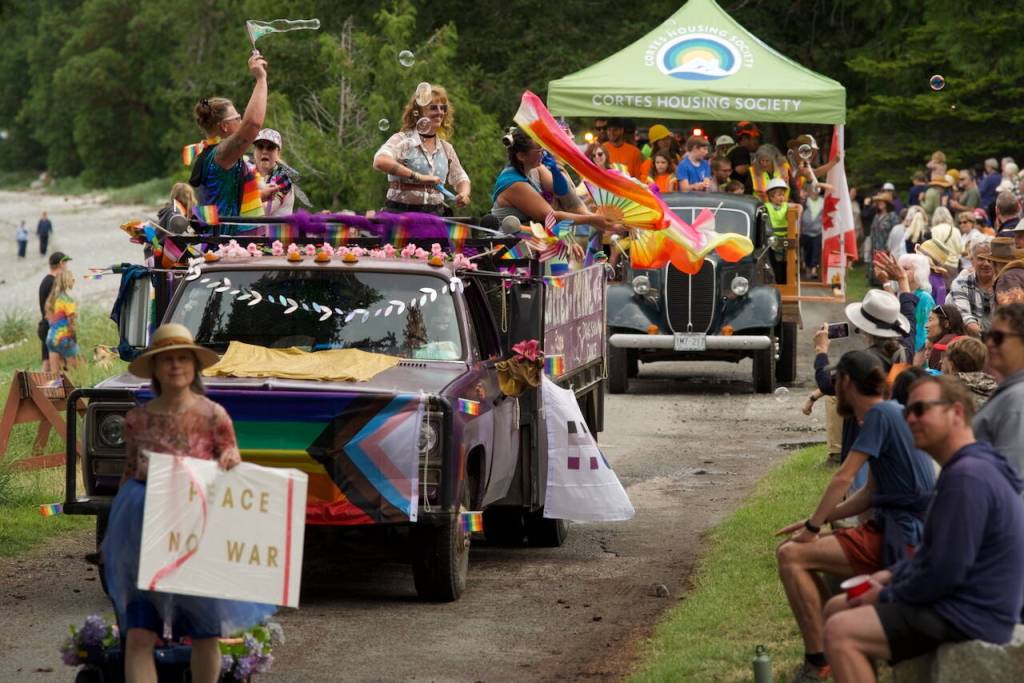
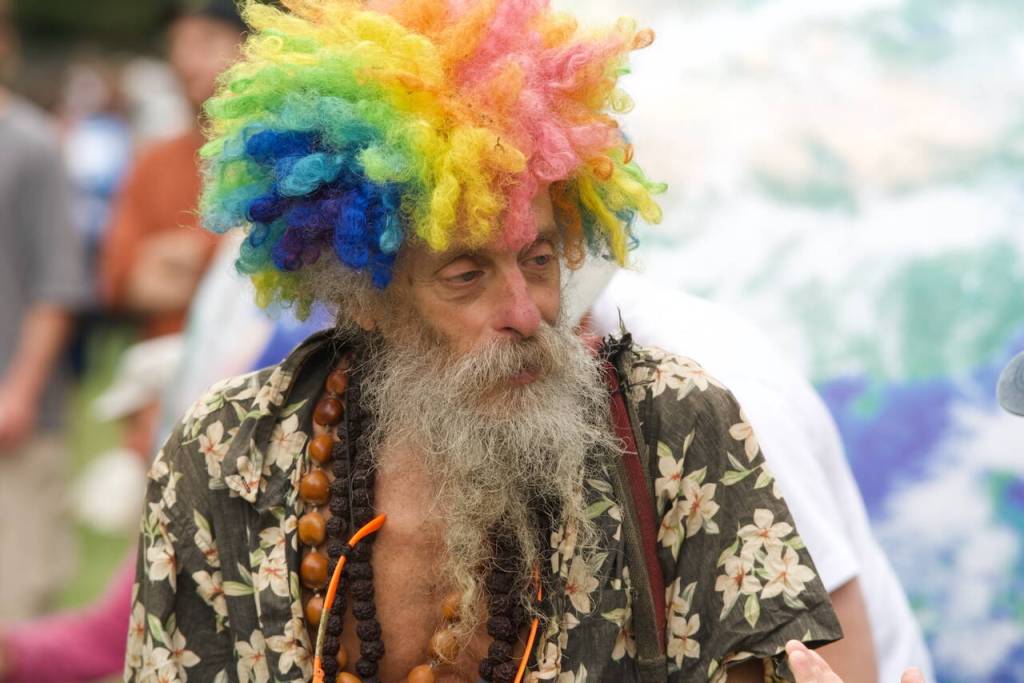
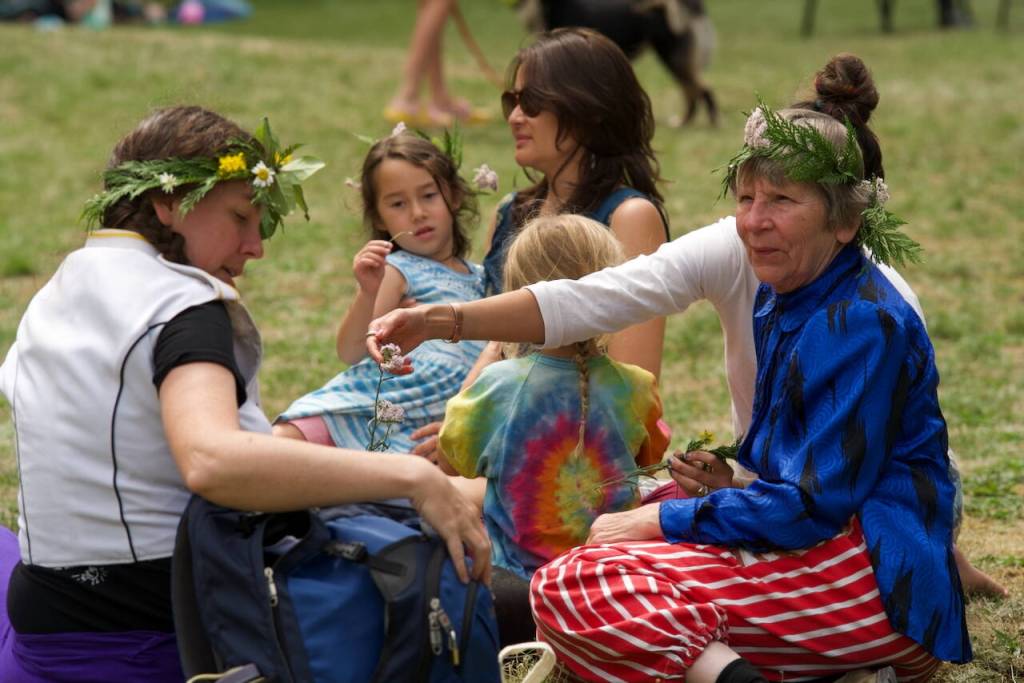
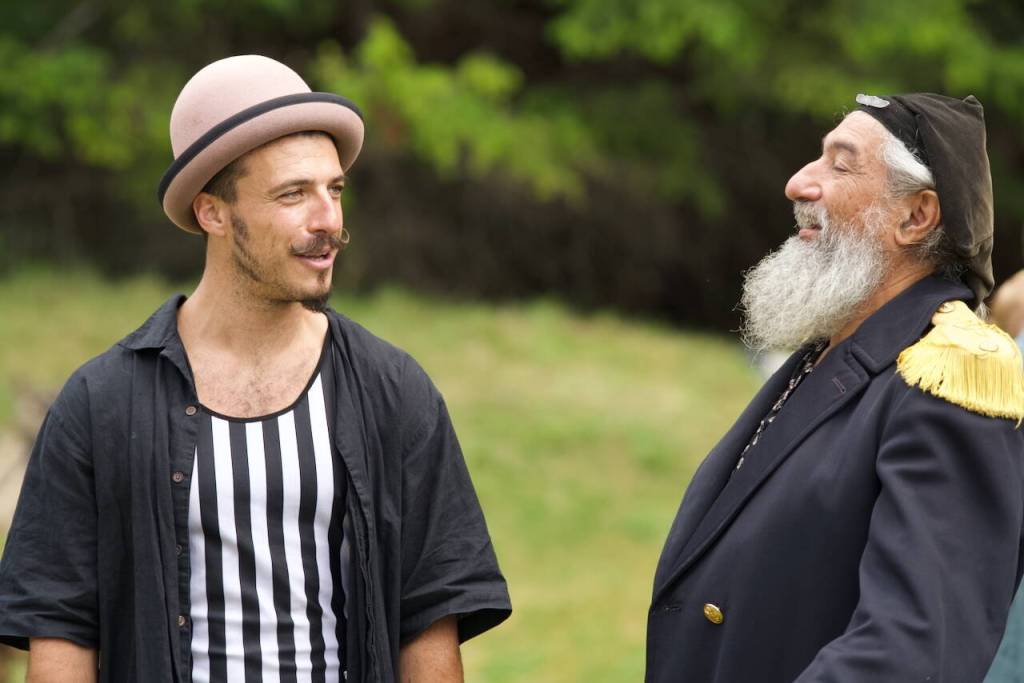
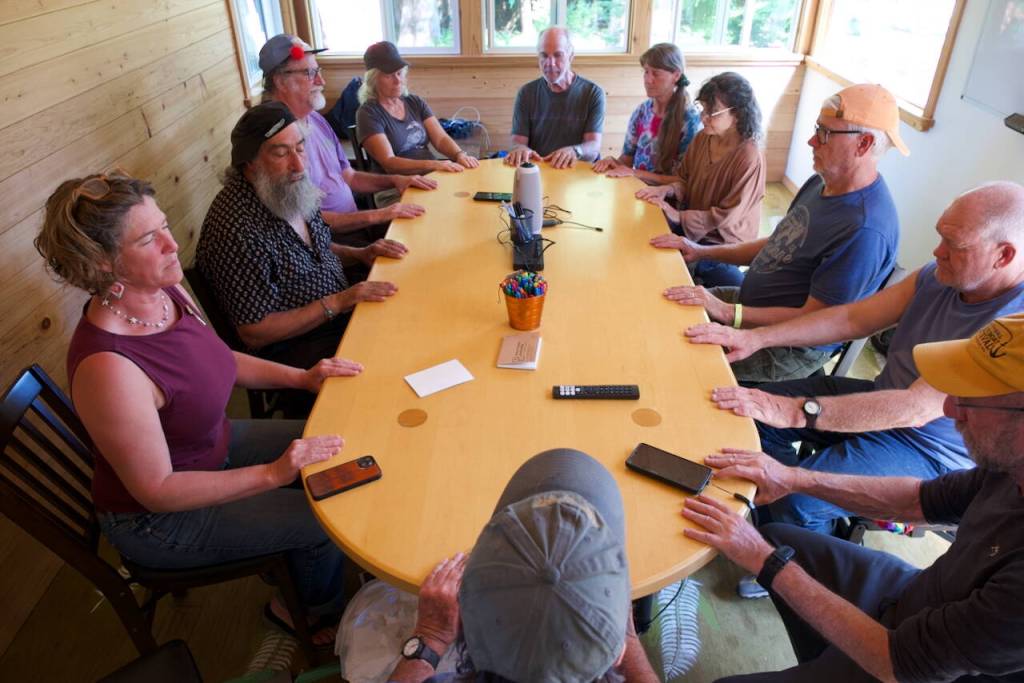
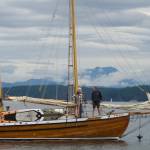


A flotilla of small boats from Orcas Island and San Juan Island has spent the summer ferrying performers and gear across the Canadian Gulf Islands, and pitching in with labor and supplies to help the Chautauqua and the island communities it visits, tying together communities on both sides of the border through a traveling circus, service project and family reunion known as the Aqua Chautauqua. Along the way, performers and hosts alike say the real story isn’t the juggling or the parades — it’s the families, on stage and on shore, who are being pulled closer together one island at a time.
Boats, borders and a shared sea
The boating contingent supporting this year’s tour includes three boats from Orcas Island, one from San Juan Island and one from Lummi Island, along with vessels from Seattle and from Canadian ports, according to Ross Newport, one of the Orcas Island boaters who has become an organizer for the flotilla. He said the crossing does more than move people and gear — it builds relationships that rarely form on their own, since ferry service between the San Juans and the Gulf Islands is limited mostly to routes through Victoria.
“There’s something really exciting about making connections between the islands that transcend borders, where we learn from one another,” Newport said, describing the trust he has seen develop between the Klahoose Nation and settler communities on Cortes Island, the tour’s first stop this year, and imagining what similar relationships could look like back home on Orcas.
Rob Meyer brought his own boat, Island Time, into the mix. He and his wife, Kim, have lived on Orcas Island full-time for six years, since the start of the pandemic prompted Kim to retire from teaching kindergarten and Meyer to step back from a nursing career that included two decades of burn, wound and pediatric care at Harborview Medical Center in Seattle and, later, hospice work on San Juan Island. These days, Kim works as a caregiver on the island, and Meyer keeps a small gardening business on the side, tending a half-dozen clients’ yards, a habit of 35 years.
For Meyer, hosting the tour dovetailed with a conversation the group had during one of the Chautauqua community workshops about what the region should look like generations from now. “I’m [a] fairly glass half full kind of guy, optimistic, and I believe it’s going to change,” he said. But he was clear that hope alone isn’t enough. “You can’t just talk about it,” he said. “It’s got to be real.” Meyer, who called the whole experience “totally foreign” to him, said hosting the tour has pushed the couple “out of our comfort zone” in the best way.
A family that chose each other
For the performers, the Aqua Chautauqua isn’t simply a job or a tour schedule. It is, as several described it, a chosen family, one that marks birthdays, mourns losses and leans on one another through the exhausting, joyful pace of island-hopping life.
Kristen Crowley, a longtime Chautauquan, said the organization treats family bonds as central to its mission, not separate from it. She described the tradition of convening an elders’ council on tour so older members can pass down stories to the group’s children, “reconciling things where maybe some pain was left over” and taking pride in what a lifetime has built. She makes a point of meeting the women of each host community in their kitchens, she said, calling that quiet, practical talk just as important as anything performed on stage.
Crowley described the visits themselves as an exercise in humility. Chautauquans, she said, come into a community mainly to bear witness — to see, hear and listen rather than to offer advice or take stock of what they find. She also spoke of marking life’s passages the way many cultures do, describing her own shift over the years from young mother to elder, or what some traditions call a crone, a position defined less by managing daily life than by watching over the next generation with a longer view. Chautauqua, she said, tries to hold space for those same transitions, from birth to grief to the passing of a partner, treating them as seriously on tour as any community would at home.
“It’s important for the women to meet the women, it’s important for the men to meet the men, it’s important for the kids to meet other kids, really most important,” Crowley said, comparing the practice to peace-building work she has seen elsewhere that brings people together over shared, everyday things — pets, families, simple conversation — rather than differences.
Paul Magid, Crowley’s husband and a founding member of both the Flying Karamazov Brothers and the New Old Time Chautauqua, who leads the Chautauqua and has spent decades building its network of island and mainland communities, has become something close to a folk hero among the performers who follow him. One touring member, reflecting on his leadership, said the group works itself to exhaustion for him without complaint “because we love Paul so damn much” and are humbled by his history of service, including years spent working alongside Native tribes across the region.
That devotion showed up in small, practical ways on Cortes Island. When the Cortes Community Center’s Executive Director, Cora Moret, was tasked with finding a place to find housing for roughly 50 performers to camp, she offered her own backyard meadow without hesitation — despite raising four children alone. Days later, when a portable toilet was needed to support the camp, Magid and one of the boat captains, Eric Morris, built one from scratch in advance of the group’s arrival, blending, as Newport put it, boating ingenuity with circus resourcefulness. Moret’s children, initially wary of the influx of clowns and jugglers, became performers themselves by the end of the four-day stay.
Passing it down
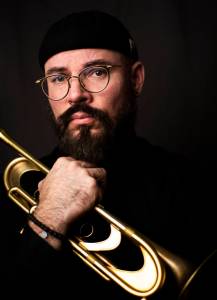
The tour’s youngest participants are proof that the Chautauqua’s community-building is generational. Isak Moon made his stage debut at age 4, playing a pint-sized version of Godfrey Daniels, one of the most beloved clowns in Chautauqua. He didn’t join a full tour until he was 14, the same year his mother went on her own first tour, an expedition to Southeast Alaska in 2014. Now an adult, Moon plays trumpet in the band, still performs as Godfrey Daniels alongside his mother, and helps out Magid and Crowley wherever he can — one of a growing number of Chautauquans who grew up inside the organization’s circle of families before becoming performers themselves.
A model for what’s possible
Organizers describe the tour’s structure simply: a parade to draw attention, a free public performance and a day of service tailored to whatever each host community requests, whether that’s clearing brush, building picnic tables or cutting firewood. Newport said the arrangement reflects a broader vision Chautauqua members share for the region’s future — one in which island communities, whether American or Canadian, know each other well enough to trade solutions to shared problems, from failing culverts that block salmon runs to boat traffic that stresses local orca pods.
“We’re helping to build a network of island communities that know each other and can support one another and learn from one another’s best practices,” Newport said.
As the Aqua Chautauqua continues its route through the Gulf Islands this summer, the boaters who ferried it there say they expect to keep showing up — not because anyone asked twice, but because, as more than one islander put it, that’s simply what neighbors do.